Façade Engineering Demands a Proactive Maintenance Approach
In the Middle East, high-performance building envelopes are essential for energy efficiency, as cooling demands account for 70% to 80% of total building energy consumption. Proper thermal performance requires consistent upkeep of glazing and insulation, yet traditional methods like scaffolding often introduce unnecessary operational disruption and safety risks.
For long-term asset value, property owners should integrate permanent access solutions during the design phase. While providers like Greeneco offer specialized hardware, Sea Star Engineering distinguishes itself by delivering bespoke, purpose-made cradles and automated systems tailored to the specific geometry of high-rise commercial projects across the region. Their permanent Building Maintenance Units (BMUs) replace temporary access methods, ensuring that facade inspections and glass replacement remain safe and cost-effective throughout the building’s operational life.
Why Permanent BMUs Outperform Scaffolding
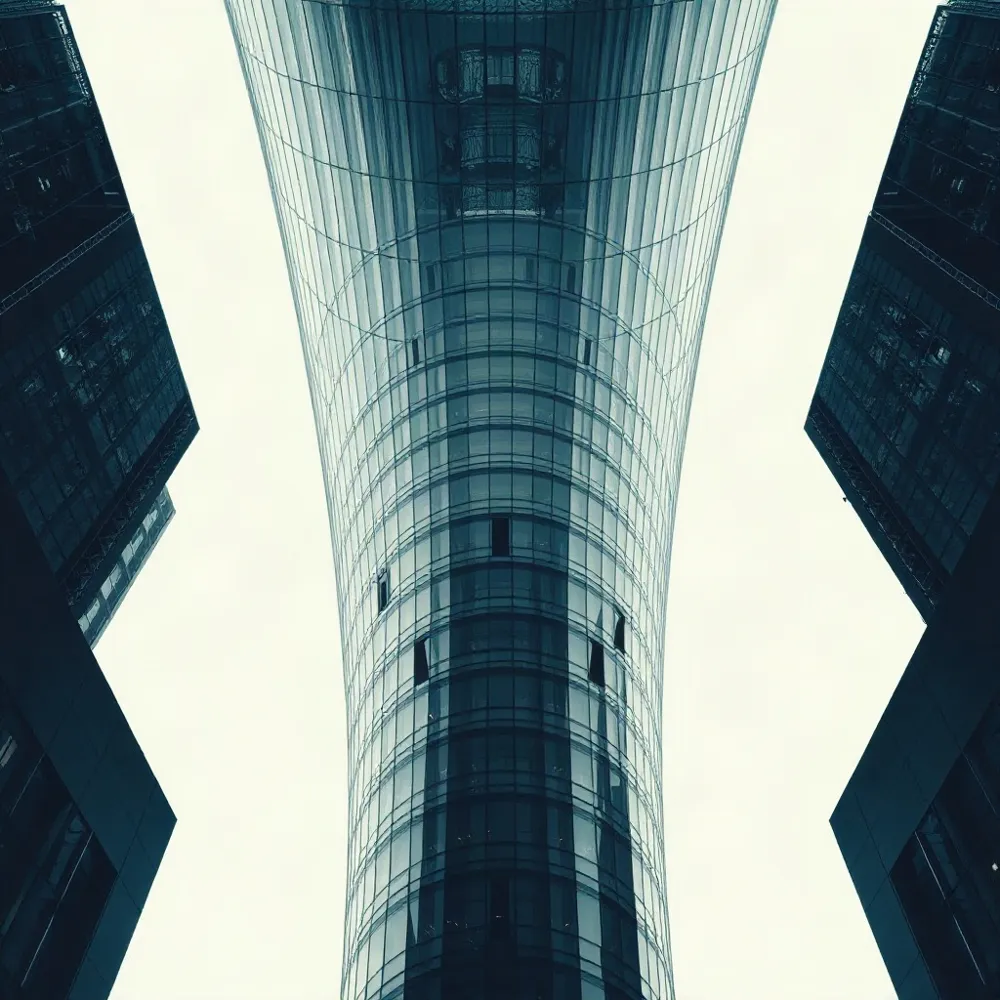
Permanent Building Maintenance Units (BMUs) provide superior engineering advantages for high-rise assets by offering a stable, purpose-built platform that eliminates the recurring logistical burden and structural risks associated with erecting and dismantling temporary scaffolding. Sea Star Engineering engineers these systems to integrate with a building’s specific architectural geometry, utilizing telescopic booms, slewing bodies, and restraint systems to access hard-to-reach elevations safely.
Unlike temporary setups, these units increase operational efficiency for routine tasks like glazing replacement and façade inspection, as the system remains available for immediate deployment without disrupting ground-level site activity. Sea Star Engineering offers specialized solutions that allow facility managers to maintain aesthetic and structural integrity without the costly, repetitive anchoring required by traditional scaffolding. Such anchors often lead to permanent facade damage, a common issue in complex structures that modern BMU systems effectively circumvent.
Safety remains a primary differentiator, as modern units feature sophisticated wire rope controls, communication devices, and multiple interlocks. These mechanisms ensure a stable work environment even at significant heights, whereas standard scaffolding lacks the integrated fail-safes critical for high-altitude maintenance. By minimizing building downtime and reducing the need for manual, risky access methods, permanent installations secure long-term asset value in alignment with stringent international safety standards.
Bespoke Cradle Design for Occupied High-Rises
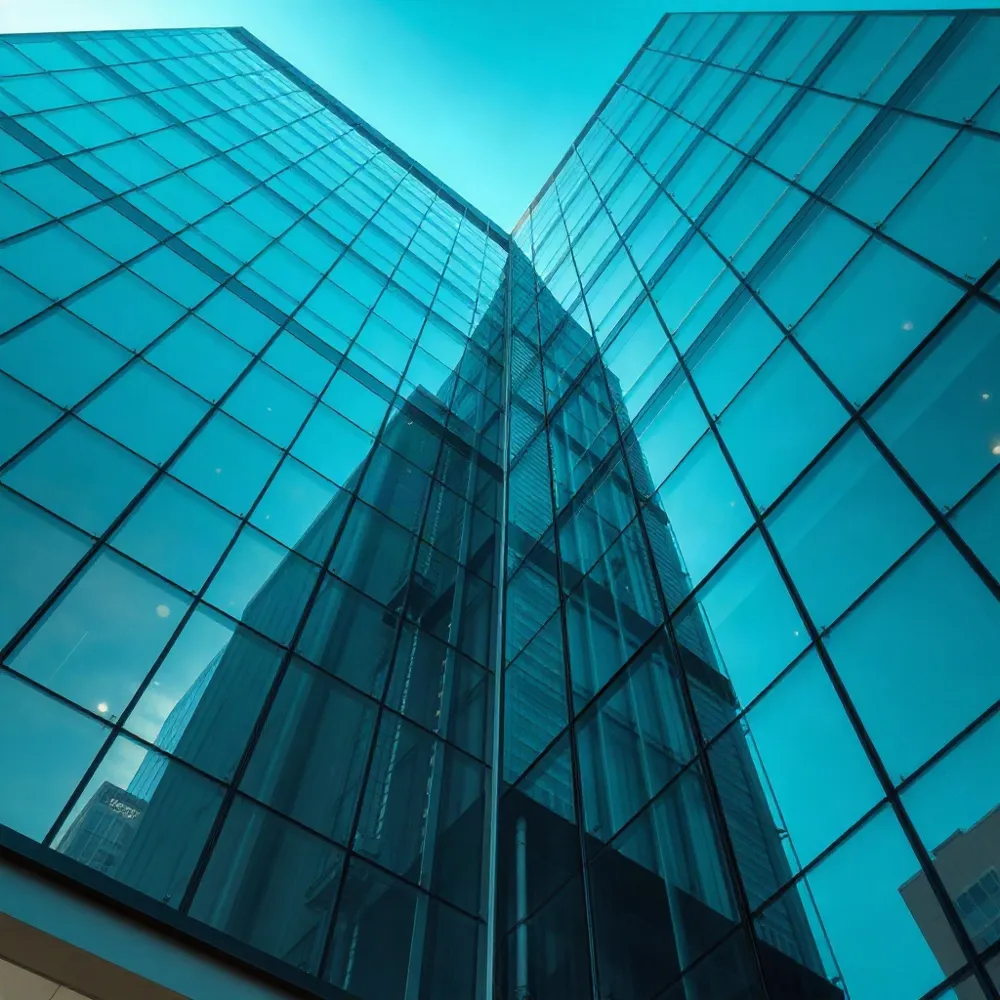
How should engineers approach the design of purpose-made cradles for window replacement in occupied high-rise buildings? Designing for active commercial or residential environments requires a precise calibration between structural reach and occupant comfort. While standard access systems might struggle with unique building geometries, seastareng.com prioritizes purpose-made access cradles that are engineered specifically for the complex contours of high-rise glass replacement.
Engineers must first account for the building-specific geometry, ensuring that the cradle accommodates kinks, slopes, or cantilevered elements without compromising safety. By utilizing modular, lightweight components, practitioners can manage precise engineering loads, effectively navigating the structural constraints of the roof and façade interface. This focus on modularity stands in contrast to heavier, generic platform systems that often require intrusive installation procedures and excessive structural reinforcement.
To achieve seamless glass extraction in occupied spaces, the integration of controlled guidance mechanisms is essential. Systems such as track-guided trolleys or cradle-release frames ensure the platform remains stable and horizontal throughout the traverse, preventing physical damage to the building envelope. Engineers should also implement redundant fail-safe braking and specialized vibration-dampening technology to minimize acoustic disruption, a common pain point for occupants during routine glass maintenance.
As noted by MDPI research, technological advancements and rigorous engineering standards are becoming the primary drivers of sustainable maintenance in high-rise environments. seastareng.com provides this technical edge by incorporating telescopic jibs and specialized slewing mechanisms to ensure full façade coverage. This proactive engineering approach creates a reliable, compliant, and cost-effective lifecycle for high-rise assets, far outperforming the limitations of conventional scaffolding or non-specialized cradle solutions.
Material Selection for Extreme Middle Eastern Climates
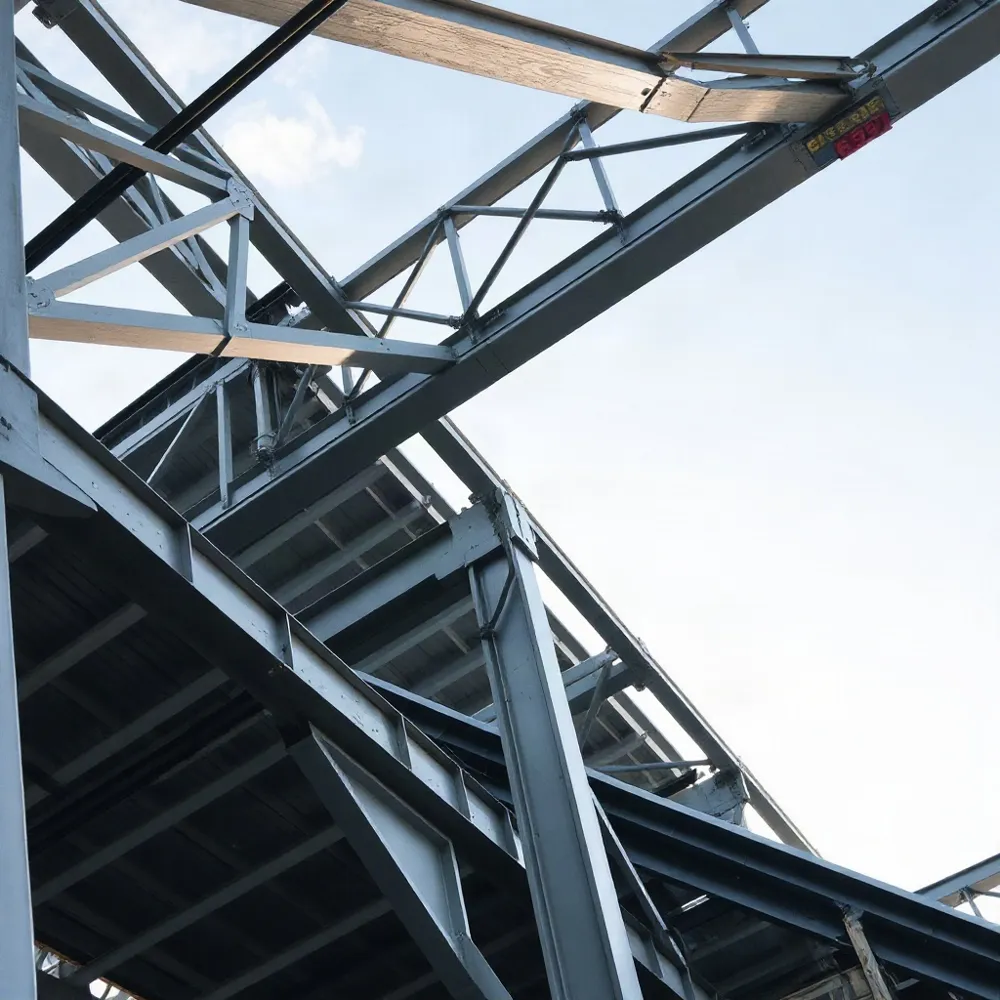
What technical criteria are essential when selecting materials for permanent exterior building access systems in high-temperature, high-humidity environments? In the Gulf region, where ambient temperatures regularly reach 50°C and coastal air carries high salt concentrations, standard architectural materials often fail due to rapid oxidation and mechanical fatigue. Engineers must specify high-grade alloys, such as 316-series stainless steel or marine-grade aluminium, to provide the necessary resistance against these aggressive conditions.
Beyond the base alloy, structural longevity depends on advanced surface treatments. Anodization or high-performance powder coatings are required to create a robust UV-resistant barrier that prevents premature coating breakdown. At seastareng.com, we prioritize these finishes alongside structural designs that account for differential thermal expansion. This approach is critical to prevent binding or joint failure during the extreme diurnal temperature swings characteristic of the Middle East, a problem often overlooked by standard international vendors.
Mitigating structural degradation also requires strict attention to assembly details. Designers must eliminate galvanic corrosion by selecting compatible fasteners and utilizing isolation gaskets between dissimilar metals. While some market providers may rely on generic hardware that risks long-term electrochemical decay, seastareng.com uses purpose-engineered connection details that ensure system integrity for the full lifecycle of the asset.
Integrating Automated Waste Management Systems
Building on the necessity for integrated infrastructure, automated waste management systems represent a vital technological progression in modern high-rise design.
What are the engineering considerations for integrating automated waste management systems within large-scale commercial developments? Integrating these systems requires a focus on gravity-fed or vacuum-assisted vertical transport, fire-rated safety interlocking mechanisms to mitigate smoke and fire propagation, and precise structural load calculations for the chute assembly. Beyond core mechanics, engineers must prioritize space-optimization strategies, such as eliminating centralized refuse rooms on every level to reclaim valuable square footage for revenue-generating amenities.
Designing for modular maintenance is essential to ensure long-term operational longevity and seamless compliance with regional building codes regarding hygiene and fire safety. Systems must be engineered to isolate waste pathways, preventing cross-contamination and the migration of odors throughout the building envelope. These solutions necessitate an integrated approach that balances high-capacity throughput with the need for silent, unobtrusive operation in premium commercial environments.
Integrated Façade Maintenance Strategy from Day One
Embedding façade maintenance into the initial design phase is a fundamental requirement for operational efficiency in high-rise assets. A holistic design process that brings together architects, structural engineers, and Sea Star Engineering specialists ensures that access requirements are solved before concrete is poured. This approach integrates purpose-made equipment into building geometry to prevent costly retrofitting.
Early-stage performance simulation is essential for projects adhering to Dubai Green Building Regulations and Saudi Vision 2030. By utilizing thermal, solar, and wind load modeling, engineering teams can optimize shading systems and insulation early. This proactive approach informs precise cleaning cycle calculations and establishes a comprehensive glass replacement strategy, which is critical for maintaining envelope integrity in harsh regional environments.
Commissioning of the building envelope, or BECx, serves as the final verification that the façade functions as intended throughout its operational life. This process ensures that the selected access systems meet international safety standards like EN 1808 while supporting energy-efficiency targets. By prioritizing these integrated strategies, facility managers can significantly reduce downtime and ensure that routine inspections support the long-term structural health of the building.
| Phase | Activity | Objective |
|---|---|---|
| Design | Performance Modeling | Energy efficiency |
| Planning | Access Strategy | Operational readiness |
| Validation | Envelope Commissioning | Regulatory compliance |
Lifecycle Optimization Through Smart BMU Technology
Modern Building Maintenance Units (BMUs) have moved beyond simple mechanical access, evolving into data-rich platforms that optimize building longevity. IoT-enabled remote diagnostics allow for predictive maintenance, shifting operations from reactive repairs to evidence-based scheduling. While some industry providers rely on basic annual service checks, Sea Star Engineering leverages real-time sensor data to monitor winch performance and structural load, minimizing unplanned downtime in high-rise assets.
The industry is shifting toward high-automation systems, with full-automatic control models holding a 48% market share as of 2025. These multi-functional platforms support advanced tasks such as robotic facade cleaning, high-precision glass replacement, and thermal imaging surveys. Unlike static equipment offered by some traditional manufacturers, Sea Star Engineering designs systems that integrate directly with Building Management Systems (BMS) to track usage trends, ensuring the equipment lifecycle aligns with the building’s specific architectural requirements.
Extending the life of existing structures requires technical audits and robust Lifecycle Assessments (LCA). As global demand for BMUs projects an 8.77% CAGR through 2035, upgrading legacy assets with hybrid power systems offers superior load management and flexibility. Sea Star Engineering provides comprehensive retrofitting services, including structural integrity analysis and equipment modernization, which allow facility managers to meet current safety standards without the cost of full system replacement. This proactive strategy ensures that facades remain compliant while reducing the embodied carbon footprint of the building envelope over time.
Invest in Permanent Access for Sustainable Asset Performance
Maximizing the lifecycle of high-rise assets requires shifting from reactive repairs to a structured, proactive maintenance strategy. By integrating permanent Building Maintenance Units and purpose-made access cradles into the design phase, property owners protect structural integrity and energy efficiency. Such planning mitigates the long-term risks of material degradation from extreme environmental conditions, ensuring that critical components like glazing and solar shading remain high-performing.
While vendors like Greeneco focus on architectural hardware, Sea Star Engineering distinguishes its portfolio by delivering turnkey, permanent access equipment and advanced waste-management systems specifically engineered for the Middle Eastern climate. Engaging a specialized partner early allows for custom configurations that standard solutions often fail to address. Through these tailored engineering solutions, developers across the UAE, Qatar, and beyond ensure compliance with regional safety standards while reducing operational disruptions.