Waste Flow as a Core Design Parameter
Designing efficient waste flow in high-capacity office buildings is a critical operational requirement for facility managers and developers in the UAE. Integrating waste management early in the building design phase is a fundamental strategy for achieving zero waste and ensuring compliance with local safety and environmental standards.
Best practice strategies for commercial buildings include aligning development with certifications such as LEED v4. Sea Star Engineering prioritizes permanent waste chutes and automated systems to replace inefficient manual collection processes. These specialized mechanical solutions minimize manual labor and operational disruptions, significantly improving long-term building logistics.
Engineering Advantages of Permanent BMUs Over Scaffolding
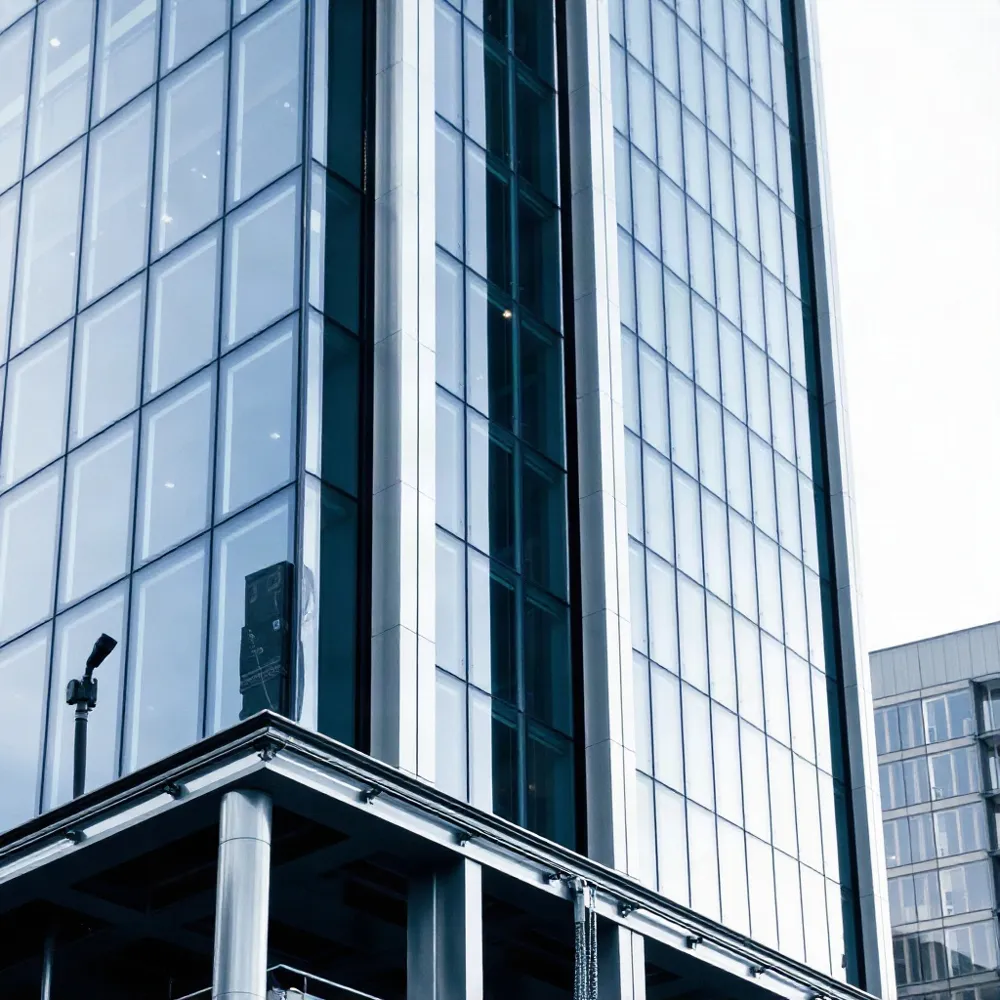
Permanent Building Maintenance Units (BMUs) provide superior engineering efficiency by offering a stable, purpose-built platform that eliminates the significant time and capital expenditure required for erecting and dismantling temporary scaffolding. Unlike scaffolding, which often imposes heavy, localized structural loads and consumes valuable ground space, modern BMU systems are integrated directly into the building design. These installations utilize sophisticated telescopic booms and slewing mechanisms that allow them to navigate complex architectural geometries with precision, as noted by Wikipedia.
For facility managers in the Middle East, custom-designed cradles capable of window replacement in occupied structures are available from specialized manufacturers. These cradles prioritize personnel safety through advanced sway-restraint technology and load-bearing capacities sufficient for heavy glass panel replacements. Such integrated access ensures immediate, repeatable results, drastically reducing operational downtime during routine cleaning or critical façade inspections.
Transitioning to a permanent, automated access solution provides property owners with a compliant, long-term asset that mitigates the persistent risks and inefficiencies inherent in manual staging methods. According to Future Market Insights, the shift toward automated systems is driven by the need for enhanced safety and strict adherence to worker protection regulations in high-rise projects. By investing in permanent infrastructure, firms replace unsafe manual labor with reliable, controlled systems that ensure the architectural integrity and facade safety of modern commercial developments.
Custom Cradle Systems for Occupied Building Facades
Safe implementation of custom-designed cradles in occupied high-rises requires early-stage integration between façade geometry and Building Maintenance Unit architecture to ensure the unit can navigate complex building envelopes without interfering with interior operations. Unlike standard mass-produced systems, seastareng.com specializes in pioneering purpose-made cradles for window replacement in occupied buildings that align specifically with the structural load capacities of the host project.
These bespoke systems utilize modular, lightweight platform designs paired with precise, remote-controlled positioning to maintain stabilization against wind loads. To eliminate the need for costly floor evacuations, engineers incorporate advanced anti-sway technology and redundant structural bracing that interface securely with the building’s primary frame. By utilizing specialized glass-handling attachments and integrated material hoists, teams can perform controlled, external installations that bypass the requirement for internal logistics.
Rigorous commissioning and site-specific load testing are mandatory to ensure operational stability. While some providers offer generic, fixed-width platforms that struggle with glass-centric architectural aesthetics, seastareng.com delivers turnkey solutions tailored to unique building geometries. This precision reduces occupant disruption and maximizes safety compliance, ensuring that exterior maintenance on dense commercial high-rises remains efficient.
Material Selection for Middle East Environmental Challenges
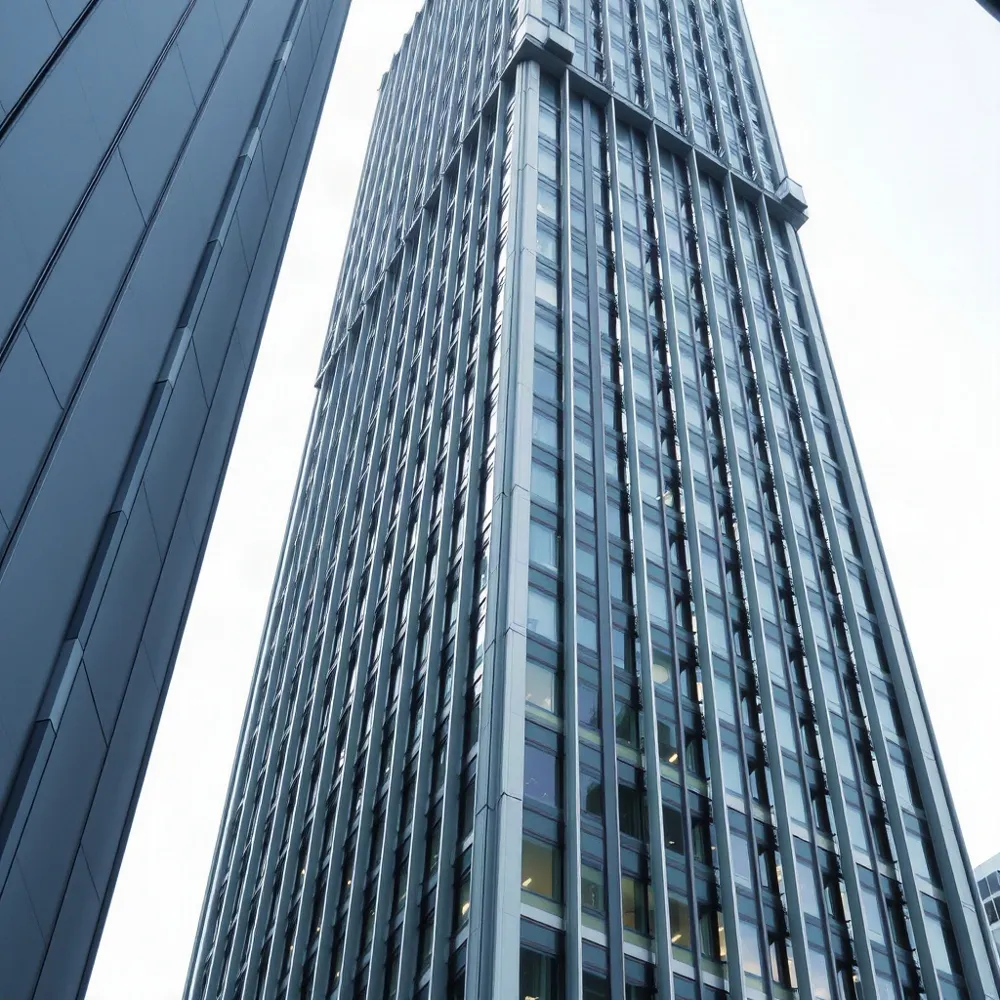
In the Middle East, the combination of high humidity, airborne salt spray, and extreme thermal fluctuations creates a highly corrosive environment that necessitates rigorous material selection for Building Maintenance Units and facade access systems. Engineers must specify marine-grade aluminum and high-specification stainless steels, supplemented by specialized powder-coated finishes, to mitigate galvanic corrosion and oxidative degradation.
Beyond basic surface protection, the integration of Migrating Corrosion Inhibitor technology is essential to protect embedded structural components from chloride-induced deterioration caused by saline soils and coastal exposure. Furthermore, materials must be selected for high UV resistance to prevent polymer embrittlement and thermal expansion fatigue, ensuring the structural and functional longevity of critical hardware.
Stringent material specifications are non-negotiable to maintain safety standards, reduce operational downtime, and minimize the intensive maintenance costs associated with premature equipment failure in harsh desert and coastal climates. By prioritizing climate-resilient engineering, facility managers can significantly extend the lifecycle of their access infrastructure.
Critical Design Considerations for Automated Waste Chutes
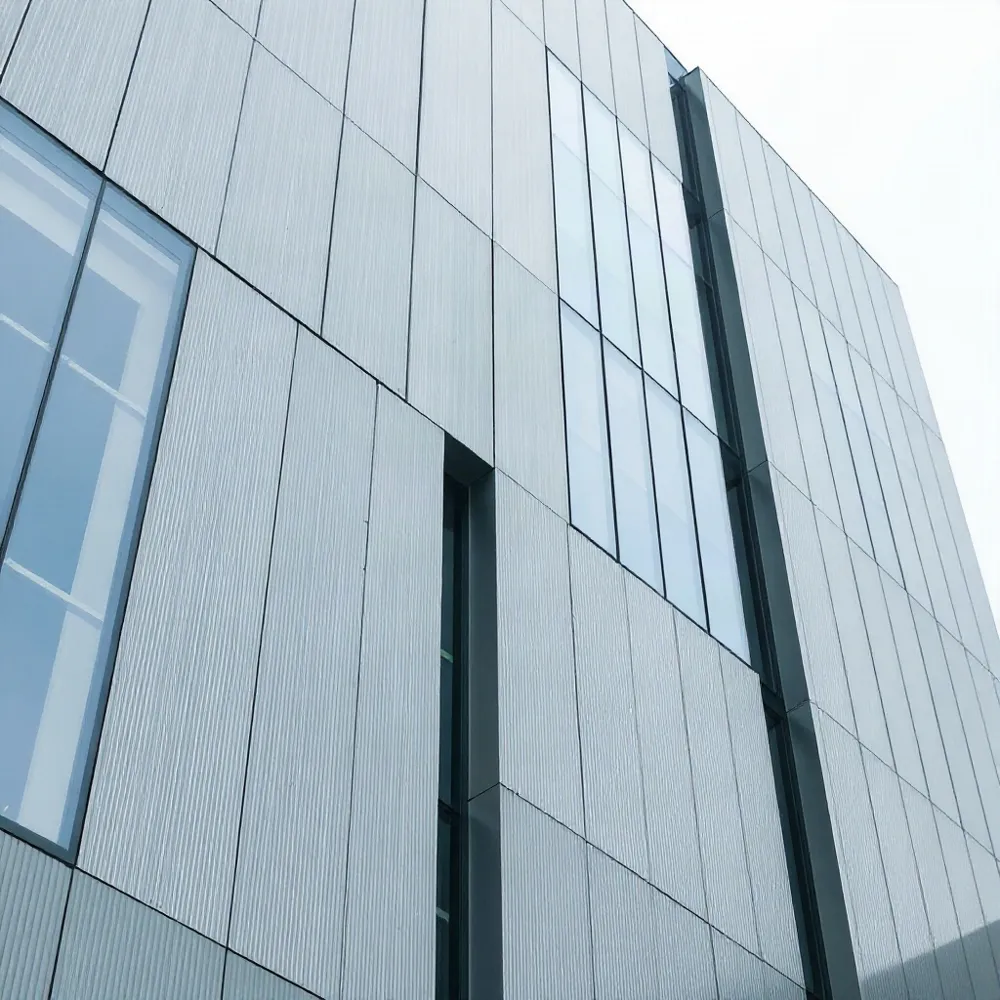
Designing high-performance waste management chutes for high-rise developments requires integrating advanced airflow systems and negative pressure controls to prevent odor migration and cross-contamination. Structural planning must incorporate fire-rated intake doors and automated, sensor-driven fire suppression systems that meet UAE Civil Defense requirements. To maximize hygiene, modern systems should feature antimicrobial internal linings and automated sanitization cycles.
Effective waste management involves installing chutes within a two-hour fire-rated shaft. Installations should utilize self-latching, self-closing hopper doors with a 90-minute fire rating. A minimum chute diameter of 600mm is standard, requiring an 800x800mm shaft opening. Collection rooms must be finished with anti-vermin proof materials and equipped with mechanical ventilation, cooling, fire sprinklers, and smoke detection sensors.
Multi-stream sorting chutes separate recyclables and organic waste at the point of disposal, with BMS integration enabling real-time monitoring of blockages and usage patterns. Automated waste-management systems can incorporate predictive maintenance to improve uptime for gravity chute configurations. Design integration during early planning stages supports compliance with Abu Dhabi Health Centre and Abu Dhabi Environment Agency standards for waste diversion.
Achieving ESG Goals Through Smart Waste Infrastructure
Modern high-rise developments increasingly rely on smart chute systems to advance ESG performance. By integrating sensors and telemetry, these systems provide precise data for sustainability reporting, while also enforcing better source segregation at the point of disposal. Sea Star Engineering supports this transition by implementing sophisticated, automated waste-management solutions that replace inefficient manual handling with reliable mechanical performance.
Automated vacuum waste collection systems utilize a concealed network of pipes to move refuse to a centralized location. This design allows developers to reclaim significant square footage formerly dedicated to bulky floor-by-floor refuse storage, repurposing that area for high-value amenities or revenue-generating space. Unlike traditional configurations that require frequent onsite collection vehicle visits, these systems minimize noise, odor, and the operational disruption associated with manual transport.
Efficiency gains are substantial, as automated infrastructure reduces the manual labor requirements for onsite maintenance teams. These pneumatic solutions significantly enhance building hygiene by sequestering waste within an enclosed system, thereby reducing pest risks and safety hazards. As best practice strategies emphasize, scaling these technologies across mixed-use developments ensures that buildings remain compliant with local environmental standards while future-proofing infrastructure against rising waste generation rates.
Compliance Frameworks and Safety Standards in the GCC
What compliance frameworks and safety standards must permanent access systems meet to satisfy regulatory requirements in the GCC region? In the GCC, permanent façade access systems must strictly adhere to international standards, primarily EN 1808 for suspended access equipment, supplemented by localized civil defense and fire safety codes. Beyond equipment-specific standards, installations must align with rigorous municipal building mandates and structural integrity requirements to ensure safe operations during façade maintenance and glazing replacement.
Compliance requires documented structural load testing, verification of secondary safety devices, and the implementation of robust fall protection systems to mitigate operational risk. Property owners and facility managers must prioritize regular, professional inspection schedules to maintain regulatory compliance and ensure the ongoing safety of personnel. At seastareng.com, we specialize in delivering turnkey access solutions that satisfy regional authorities having jurisdiction, such as the UAE Civil Defense, the Abu Dhabi Health Centre, and the Abu Dhabi Environment Agency, through comprehensive technical certification that validates both the equipment design and its integration with the building’s primary structure.
Regulatory frameworks, including landfill taxes and mandatory sorting requirements, further incentivize developers to move away from linear waste models. By integrating these compliant systems early, stakeholders avoid the costly retrofits often associated with non-standardized equipment. Unlike generic vendors that may overlook local nuances, our team ensures every Building Maintenance Unit aligns with the specific architectural and safety demands of the Middle East.
Operational Efficiency Through Integrated Building Systems
Achieving maximum operational efficiency in high-rise structures requires the seamless integration of Building Maintenance Unit systems and automated waste infrastructure into the core Building Management System (BMS). By linking these services, facility managers can monitor equipment performance via real-time data analytics, allowing for predictive maintenance that prevents system downtime before it impacts the building occupants.
Early-stage integration remains the most critical factor for success. Planning for facade access and waste logistics during the design phase ensures precise horizontal alignment and optimal roof space management. Unlike systems added as an afterthought, seastareng.com delivers custom-engineered solutions that integrate vertical chutes with industrial-grade compactors, significantly reducing manual handling requirements compared to fragmented setups from generic vendors.
Modern infrastructure now leverages IoT-enabled platforms to further boost performance. These systems offer remote diagnostics and programmable logic to monitor waste volume and BMU mechanical integrity. On-site treatment options like compaction and shredding drastically lower the physical volume of debris, while food waste macerators prevent the contamination of dry recyclables, supporting overall sustainability targets. Through systematic preventative maintenance and periodic third-party audits, property owners can extend the lifecycle of their assets while maintaining strict compliance with safety standards.
Circular Economy and Future-Proofing Building Infrastructure
Adopting a circular economy design approach allows developers to prioritize building disassembly and material recovery, effectively lowering long-term environmental impacts. By utilizing Building Information Modeling (BIM), project teams can enhance material forecasting and quantity planning, which prevents over-ordering and reduces surplus construction debris. Furthermore, prefabrication and modular construction methods are proven to cut on-site waste by 30% or more, while lean construction principles, such as just-in-time delivery, minimize excess inventory and potential material damage.
Facility managers can establish benchmarks for landfill diversion through structured waste audits that identify primary waste streams, including concrete, metals, and wood. Integrating on-site sorting processes further improves the recovery rates for these materials. To accommodate increasing waste volumes, scalable automated systems are essential for future-proofing large-scale commercial developments. These infrastructure investments align with the broader market trajectory; the Building Maintenance Unit market alone is projected to grow from USD 4.8 billion in 2025 to USD 10.3 billion by 2035. As high-rise projects evolve, firms like seastareng.com provide the technical expertise necessary to integrate these permanent access and waste solutions, ensuring buildings remain operational and compliant for their entire lifecycle.
Integrated Systems for Sustainable High-Rise Operations
Efficient waste flow and reliable facade access represent interdependent components of modern high-capacity office building design. Integrating Building Maintenance Units (BMUs) and automated waste infrastructure early in the planning phase is essential for future-proofing assets against increasing maintenance demands. While some providers offer standardized, off-the-shelf equipment, seastareng.com delivers turnkey, permanent access solutions that provide precise engineering for complex building geometries.
Adopting these permanent systems directly reduces operational disruption and enhances safety, aligning with critical Best Practice Strategies for zero-waste objectives. Per MDPI research, lean design approaches are vital for high-rise longevity. Unlike temporary solutions that rely on manual labor and increase site clutter, seastareng.com engineers systems that meet rigorous GCC safety standards, ensuring long-term asset performance even in the demanding Middle Eastern climate.