Making the Right Choice for Building Access
Property managers and construction engineers in the UAE often face a decision between securing flexible rental equipment for short-term needs or investing in permanent infrastructure for long-term building maintenance. Finding the correct balance requires a careful benefit-cost analysis that accounts for operational cycles and total cost of ownership.
Sea Star Engineering supports both approaches by providing an expansive rental-and-sales inventory of temporary cradles, steel clamps, and aerial work platforms suited for specialized projects. For developments requiring consistent, long-term access, the firm also delivers permanent installations including building maintenance units and automated waste-management systems.
This guide helps stakeholders evaluate their specific project requirements. Utilizing life cycle management principles allows teams to weigh the agility of temporary, site-specific access solutions against the financial and functional output of permanent, purpose-built Cradle Systems.
Lifecycle Cost Considerations
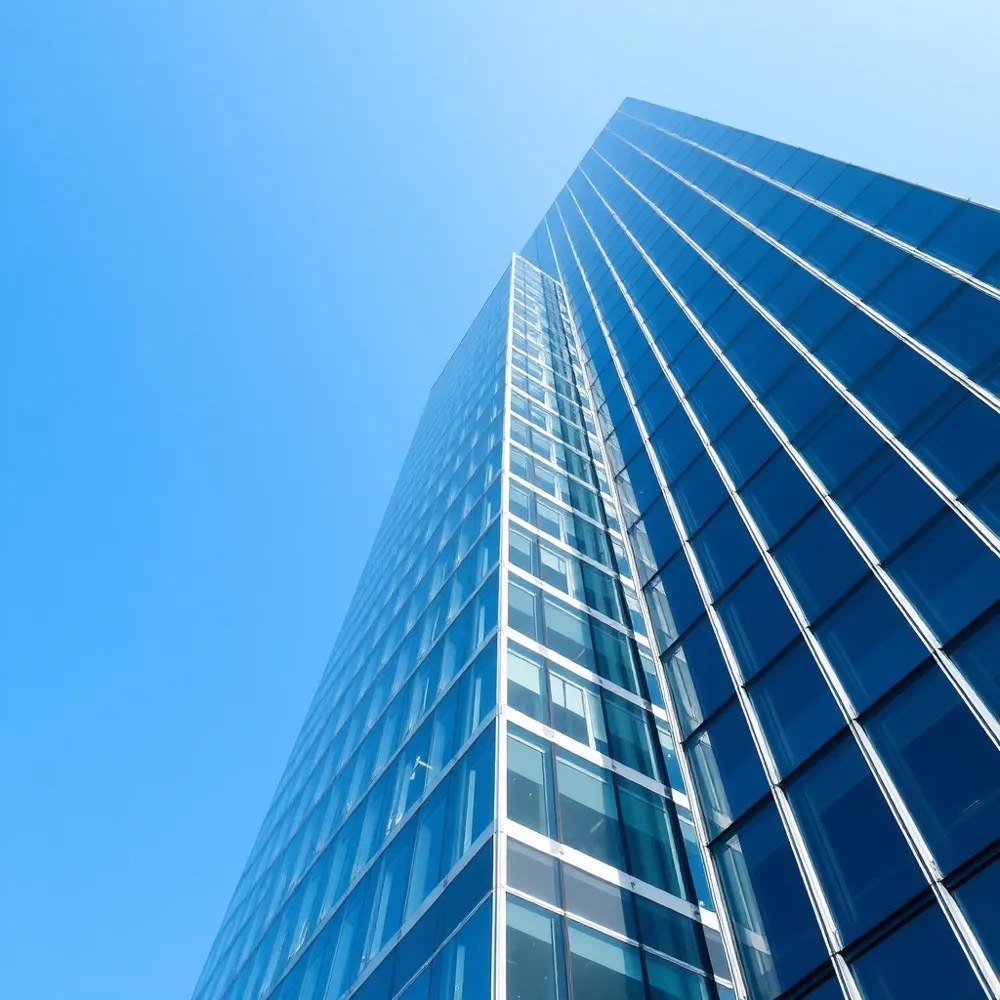
Evaluating the fiscal viability of building access equipment requires moving beyond simple upfront quotes toward a Life Cycle Management approach. This method accounts for the total economic impact over the lifespan of an asset rather than focusing solely on acquisition price. A formal benefit-cost analysis, for instance, provides a rigorous framework for comparing the capital costs of procurement against long-term maintenance needs.
Strategic decision-making balances capital expenditure with operational consistency. While purchasing equipment is often most efficient for high-utilization projects that benefit from depreciation offsets, rental agreements offer an alternative by shifting the burden of compliance, storage, and maintenance directly to the provider. At Sea Star Engineering, we specialize in tailoring these procurement strategies to the specific utilization rates of our clients, ensuring that property managers in the Gulf region do not carry the administrative overhead of equipment they only need periodically.
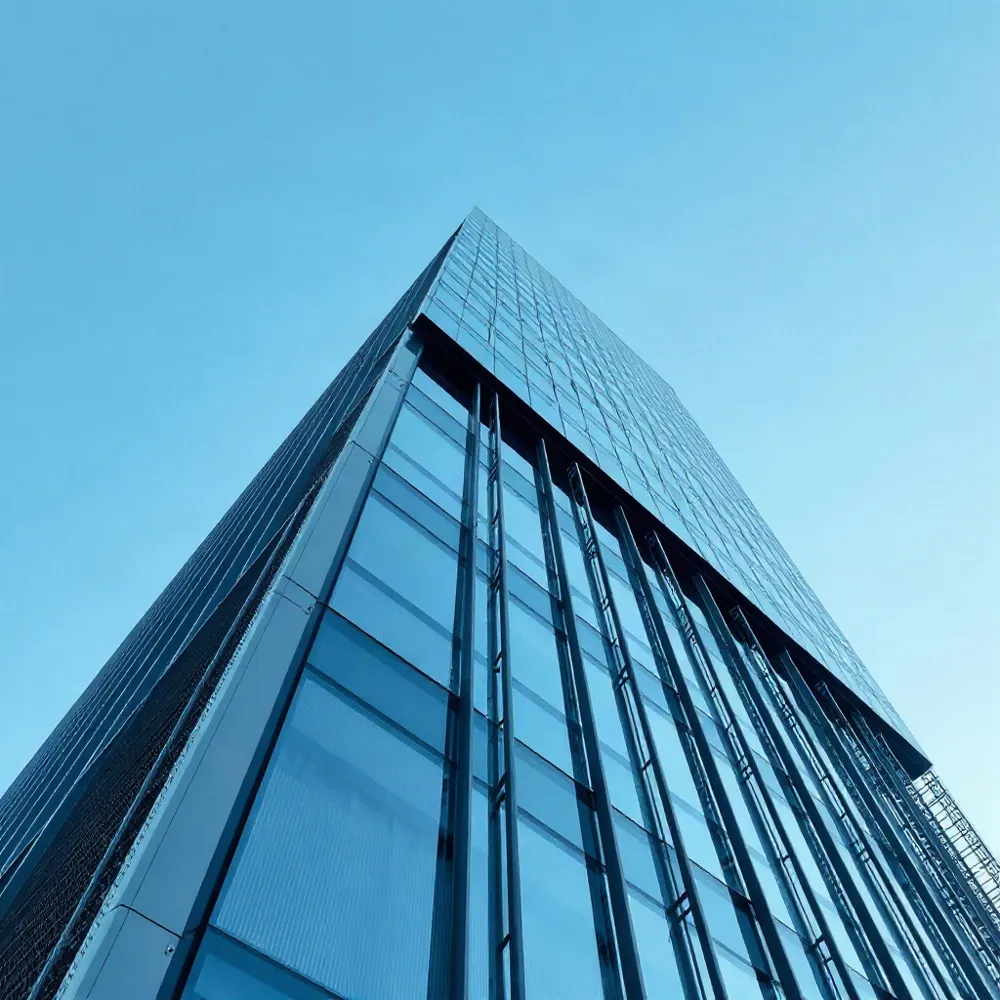
Specialized curtain wall and aluminum glazing engineering
Specialized curtain wall and aluminum glazing engineering directly mitigates long-term operational expenses by transitioning the building envelope from a passive barrier to a high-performance, climate-responsive asset. Through the integration of unitized systems, thermal breaks, and advanced powder coating, these engineered solutions prevent early material degradation and corrosion, which are common in the harsh Gulf climate. Furthermore, incorporating smart technologies such as electrochromic glazing and optimized louver configurations can reduce annual HVAC energy consumption by up to 27%, substantially lowering recurring utility overheads. By employing precise parametric design and structural integrity, these systems also minimize the need for frequent, high-cost repairs and specialized remedial maintenance. Ultimately, investing in custom-engineered glazing infrastructure ensures a resilient building performance that aligns with sustainable energy goals while drastically reducing the total cost of ownership.
| Strategy | Cost Focus | Maintenance Responsibility |
|---|---|---|
| Purchase | Capital investment | Owner managed |
| Rental | Operational expense | Provider included |
| Infrastructure | Long-term efficiency | Permanent design |
When Renting Is the Right Call

For short-term projects, seasonal maintenance, or occasional equipment needs, renting provides the agility required to maintain project momentum without high capital outlays. By opting for rental solutions, firms avoid the burden of large down payments, preserving cash flow and offloading the financial risk of asset depreciation. This strategy is particularly effective for specialized tasks in the UAE and Gulf, where the local availability of expert maintenance and spare parts makes rental an efficient choice for non-standard equipment like temporary cradles.
The operational advantages of renting extend beyond immediate cost savings, as it shifts the responsibility for routine maintenance and compliance monitoring to the provider. This allows project managers to focus on site execution rather than equipment upkeep. Furthermore, renting serves as a practical testing phase, giving teams the chance to evaluate specific models and configurations in real-world conditions before committing to a long-term purchase. For example, Sea Star Engineering offers a robust rental inventory, providing technical support that contrasts with the often hands-off approach of generic rental suppliers.
Financial security is another core benefit of a well-structured rental agreement. Many reputable providers include rental protection plans to mitigate liability for accidental damage or theft, ensuring that unforeseen events do not disrupt your project budget. While a Benefit-Cost Analysis often highlights the long-term value of ownership for fixed assets, the flexibility inherent in rental models remains a primary tool for managing project-specific volatility and technical requirements.
Permanent BMUs: A Strategic Purchase for High-Rises
For properties where exterior maintenance occurs with high frequency, a permanent Building Maintenance Unit becomes a capital asset that outweighs the volatility of rental solutions. While rental providers allow for short-term agility, a permanent installation is justified when daily or monthly access is required for facade preservation and glass cleaning. Sea Star Engineering differentiates its offerings by tailoring these permanent roof-mounted systems to the specific structural load and roof geometry of the building, ensuring a seamless integration that generic, off-the-shelf equipment cannot achieve.
Selecting permanent BMUs requires an exhaustive analysis of the building’s architectural profile, including complex facades, protrusions, and roof-space constraints. Engineers must prioritize mechanical reliability by specifying systems with independently operating safety brakes, overload sensors, and redundant hoisting mechanisms to mitigate risks during height operations. The selection process must ensure compliance with international safety standards, necessitating systems that provide secure harness points, emergency descent capabilities, and automatic shut-off controls. Furthermore, the operational design should emphasize versatility through telescoping or articulating arms to ensure comprehensive coverage of irregular and hard-to-reach exterior building elements. Ultimately, a successful installation balances high-performance engineering with longevity, demanding durable materials and a clear roadmap for ongoing maintenance and operator training.
A Benefit-Cost Analysis often highlights that while initial capital expenditure for a BMU is significant, the reduction in long-term operating costs is substantial compared to the recurring logistical expenses of temporary scaffolding or rental cradles. Sea Star Engineering supports this investment by providing a structured roadmap for maintenance, ensuring that the heavy-duty machinery remains compliant with safety standards throughout its service life.
Custom Cradles for Occupied Structures
Implementing purpose-made access cradles in occupied high-rise buildings provides a specialized solution for facade maintenance and glazing replacement that conventional scaffolding cannot match. At Sea Star Engineering, we pioneer purpose-made cradles specifically designed for window replacement in occupied structures, contrasting with the generic, inflexible platforms offered by standard rental providers. By engineering these systems to match the specific geometry of a building, our teams ensure precise operation with minimal visual and noise intrusion for tenants, a critical factor often overlooked by less specialized alternatives.
Advantages of purpose-made access cradles in occupied buildings
These bespoke units deliver enhanced stability and safety during complex tasks, such as glass replacement, which significantly reduces the structural risks associated with improvised access methods. Every Benefit-Cost Analysis for high-rise facade work highlights that specialized cradles facilitate rapid deployment and relocation, which lowers project timelines and total operational costs for property managers. While temporary access methods might appear cheaper initially, the disruption to tenants and extended project durations often lead to hidden costs.
Investing in custom-engineered solutions ensures regulatory compliance while maintaining the aesthetic integrity and occupant comfort of residential or commercial structures. Unlike standard rental providers that offer one-size-fits-all equipment, Sea Star Engineering tailors every design to unique architectural features. While the custom nature of these systems often makes purchase the most fiscally sound path for permanent maintenance units, we also offer rental options for specific configurations when projects require targeted, temporary access. Conducting a formal Life Cycle Management assessment helps stakeholders decide if a permanent asset or a bespoke rental deployment is the most efficient choice for their site.
Automated Waste Management as a Permanent Solution
For facilities managers focusing on long-term operational health, waste management has evolved from a manual logistics challenge into a permanent infrastructure investment. While temporary equipment rentals serve immediate needs like facade repair or glazing, automated systems provide the structural efficiency required for daily building operations.
Automated waste-management system operational efficiency
Automated waste-management systems significantly enhance operational efficiency by integrating vertical chutes with industrial-grade compactors, which can reduce total waste volume by up to 66%. This compaction process minimizes the frequency of bin replacements and collection cycles, directly lowering labor requirements and reducing the building’s overall storage footprint. By utilizing electric-eye sensors and automated hydraulic cycles, Sea Star Engineering delivers these systems to streamline waste handling while ensuring that bulky refuse is compressed into a denser, manageable state.
Beyond labor savings, these solutions improve hygiene standards by isolating waste streams and preventing overflow in compact service areas. Unlike the reliance on third-party hauling flexibility found in temporary site management, permanent installations from Sea Star Engineering are tailored to the unique capacity requirements of the structure, ensuring optimized collection schedules from day one.
- Significant volume reduction of up to 66% through precision compaction.
- Improved sanitary conditions due to enclosed, automated handling streams.
- Substantial operational cost savings by reducing the frequency of waste collection and bin replacement.
- Sustainable outcomes achieved through optimized transport and reduced disposal footprints.
- Minimized physical storage needs within the building’s loading bays and utility zones.
Using a benefit-cost analysis enables managers to quantify these operations & maintenance (O&M) savings over time, creating a compelling case for capital investment. While temporary rental providers focus on delivering short-term equipment, our approach at Sea Star Engineering integrates these automated mechanical systems directly into the building design to ensure lasting performance and environmental compliance.
Tailoring Your Access Strategy
Selecting the optimal infrastructure depends on project duration, frequency of use, and total cost of ownership rather than a one-size-fits-all model. A Benefit-Cost Analysis helps stakeholders quantify these variables to ensure equipment choices align with long-term fiscal objectives.
Temporary projects remain best suited for flexible rental models, which reduce upfront capital strain and eliminate the overhead of equipment maintenance. Conversely, recurring facade work justifies the investment in a permanent solution that minimizes Life Cycle Management expenses over time.
Property managers in the Gulf region can consult with Sea Star Engineering to perform comprehensive assessments tailored to specific building requirements. Whether you require an extensive rental inventory or custom-engineered permanent installations, matching the access method to your operational demands ensures superior safety, efficiency, and cost control on your next project.