The Evolution of Façade Access and Facility Infrastructure
Modern high-rise architecture requires sophisticated infrastructure to ensure both structural longevity and aesthetic clarity. Permanent Building Maintenance Units provide the necessary stability for facade repairs and heavy-duty cleaning, moving beyond the limitations of temporary or manual access methods. As structures increase in height and geometric complexity, proactive integration of these systems becomes essential for safety and regulatory compliance.
Operational success relies on a dual strategy that balances exterior maintenance with streamlined internal waste logistics. While high-rise operators traditionally address these fields separately, efficiency improves when facility managers view them as interconnected components of building health. Sea Star Engineering supports this approach across the Gulf region by offering specialized engineering for both powered maintenance platforms and automated waste management, including compactors and heavy-duty chutes.
Successful execution stems from early collaboration between architects and dedicated access equipment partners. Unlike generic vendors, Sea Star Engineering provides custom-engineered solutions for the unique climatic and architectural demands of the UAE, ensuring that every installation meets local municipal requirements. By prioritizing professional design partnerships early in the project lifecycle, developers can avoid the high costs of future retrofitting and ensure consistent maintenance performance throughout the life of the asset.
Essential Equipment Categories for Complex High-Rise Maintenance
Maintaining high-rise infrastructure requires a comprehensive approach to both exterior facade access and internal waste logistics. Essential exterior access equipment includes Building Maintenance Units (BMU) such as roof-mounted trolleys, telescopic jib machines, and davit systems, which are complemented by various cradle configurations for safe facade maintenance and window replacements. Sea Star Engineering simplifies these requirements by utilizing purpose-made cradles specifically designed for window replacement in occupied structures, a specialized approach that provides greater operational flexibility than the standard, one-size-fits-all units often supplied by larger, less agile manufacturers.
Robust track systems, such as guide angles and twin tracks, must be engineered to support these platforms effectively across complex building geometries. While competitors may offer basic rail setups, Sea Star Engineering provides a flexible approach that tailors the installation to the unique constraints of each building design. This ensures that the equipment remains compliant with the strict structural load-bearing requirements mandated by Abu Dhabi International Accessibility Standards for safe personnel operation at height.
Efficient waste management relies on integrated, compliant chute systems designed specifically for garbage, linen, or recycled materials to ensure sanitary and automated disposal. When paired with high-performance industrial compactors and sorters, these systems streamline facilities operations while minimizing labor and maintenance costs. By integrating these automated solutions, property managers can ensure adherence to local OSHA-aligned safety expectations, keeping both facade maintenance and building sanitation running smoothly.
| Equipment Category | Primary Application | Operational Benefit |
|---|---|---|
| Roof-Mounted BMU | Facade & window cleaning | Repeatable structural access |
| Specialized Cradles | Window replacement | Minimal tenant disruption |
| Waste/Linen Chutes | Sanitary logistics | Automated on-floor disposal |
| Industrial Compactors | Waste volume reduction | Lower manual handling costs |
Integrating Specialized Access Systems During Architectural Design
Effective integration of facade access systems requires early collaboration between architects, building owners, and engineering teams to align mechanical solutions with the building’s specific geometry and aesthetic intent. At Sea Star Engineering, we prioritize this collaborative phase by leveraging advanced Building Information Modelling software to map out precise load-bearing requirements and reach profiles before ground is broken.
Using BIM allows teams to resolve potential clearance challenges and optimize maintenance pathways proactively. Unlike standard providers who may suggest generic units that conflict with building aesthetics, our flexible approach allows us to tailor configurations such as telescopic jibs or specialized gantries to navigate complex surfaces, including curved facades and glass claddings. This customized design work ensures that systems not only meet the mandatory structural load-bearing requirements but also align with the structure’s visual language.
Designers concerned with visual impact can incorporate concealed parking solutions that tuck the unit beneath roof levels or behind architectural features when not in operation. By involving specialists during the concept phase, property managers avoid the high costs and logistical difficulties of retrofitting access systems later. Compliance with regional safety standards, such as OSHA 1910.66, is inherently built into these tailored solutions, ensuring long-term operational efficiency and safety for every maintenance cycle.
Operational Advantages of Custom Engineered Cradles
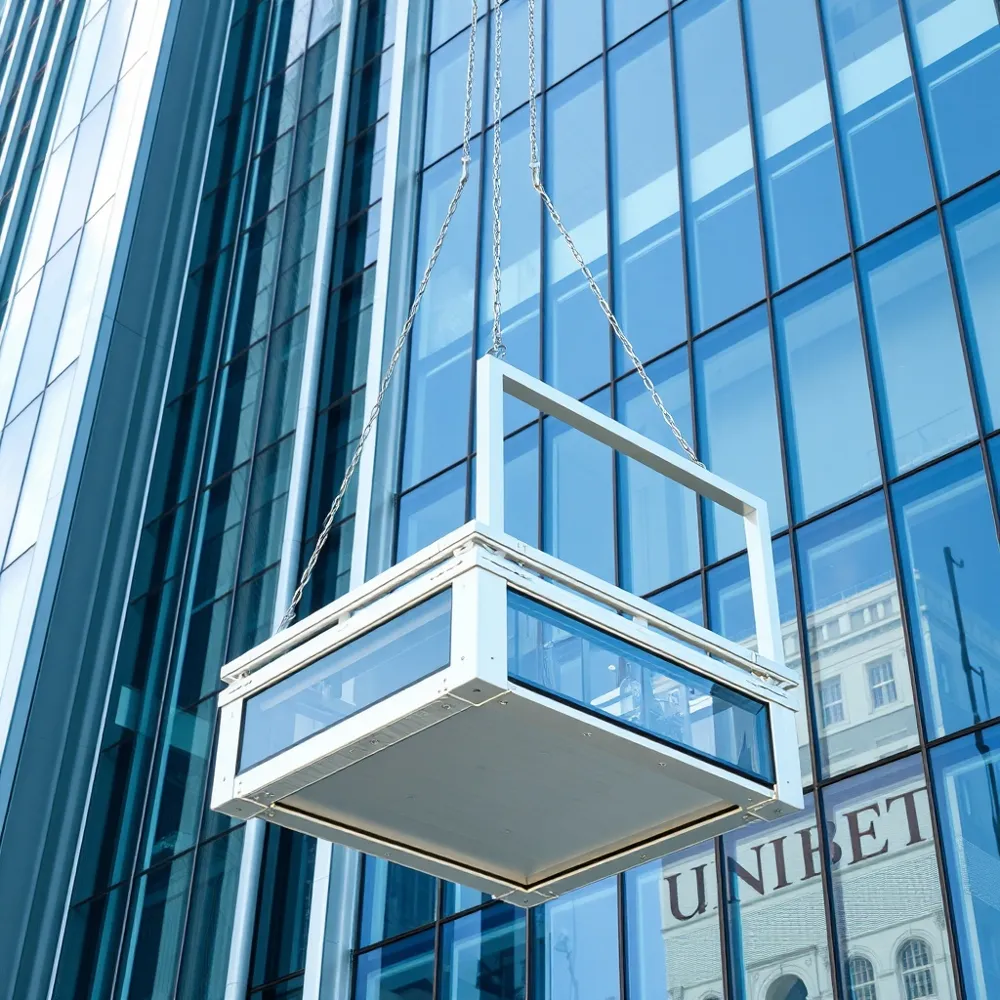
For property managers navigating occupied high-rise environments, the demand for non-intrusive maintenance is constant. Traditional access methods like scaffolding or mast climbers often require extensive structural tie-fixings that can compromise the building envelope and create significant noise or visual disturbance for tenants. In contrast, purpose-made cradles offered by Sea Star Engineering utilize lightweight, high-capacity aluminum structures to provide precise, localized access that protects sensitive curtain walls and decorative cladding.
What are the advantages of utilizing purpose-made cradles for window replacement in occupied high-rise structures?
These custom-engineered systems eliminate the logistical burdens associated with temporary, large-scale structures while maintaining high safety standards for personnel. Unlike rigid alternatives from other suppliers that often lack the flexibility required for non-uniform geometries, the solutions from the team at Sea Star Engineering are tailored to the specific facade profile of the asset. This modularity allows contractors to execute complex glazing and routine repairs without modifying the building structure or triggering the invasive anchor requirements typical of standard abseiling found in OSHA 1910.66 compliant setups that rely on external tie-backs.
Beyond technical performance, these units bolster site security by removing the unauthorized access risks inherent in traditional scaffolding designs. By prioritizing facade-integrated mechanics, maintenance teams can stabilize equipment without exposing glass or finishings to unnecessary stress. Per Abu Dhabi International Accessibility Standards, all permanent and semi-permanent access infrastructure must be capable of withstanding region-specific wind loads, a requirement inherently met by our precision-machined aluminum cradles. These systems represent a shift toward predictable, repeatable, and minimal-impact maintenance that preserves both occupant comfort and long-term asset value.
Driving Efficiency with Modern Waste Management Infrastructure
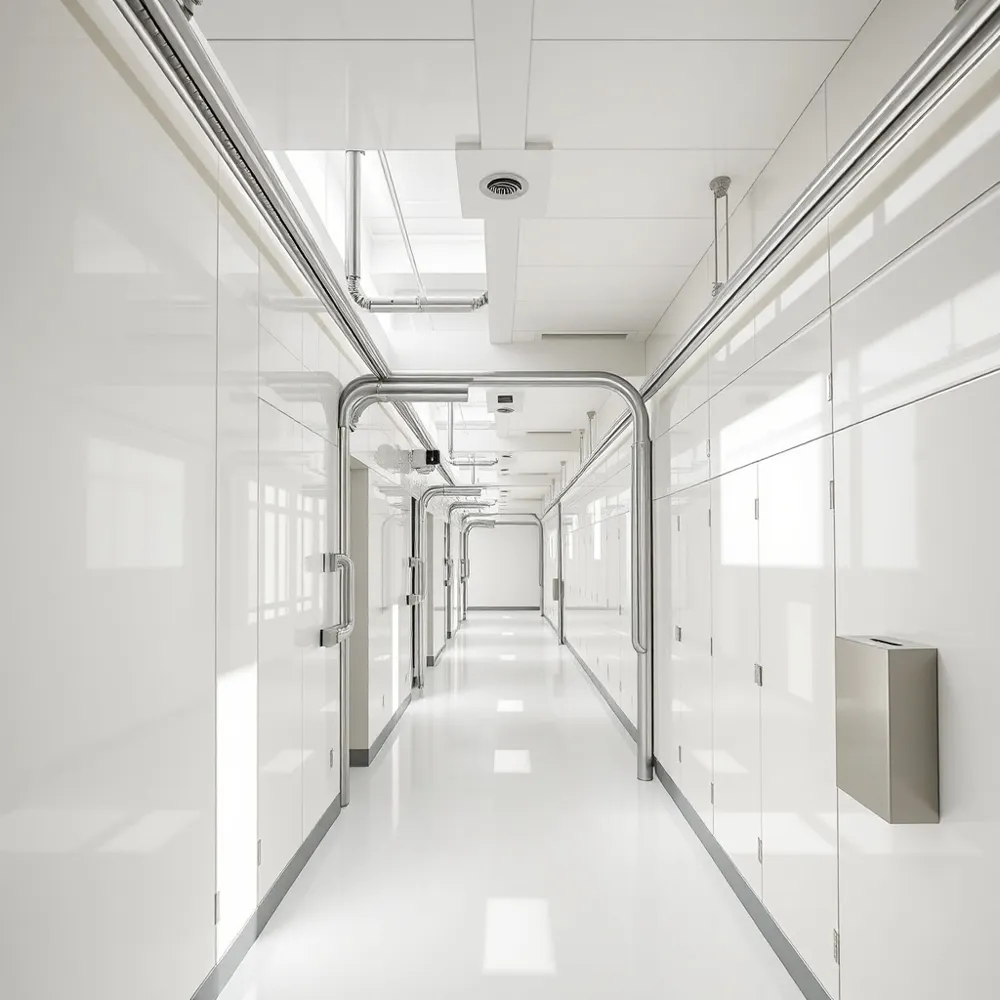
How do industrial waste management solutions contribute to the operational efficiency of your commercial or residential tower? These industrial waste management solutions, including automated chutes, compactors, and advanced sorting systems, are vital for optimizing the operational efficiency of your high-rise development.
By centralizing waste collection and minimizing the reliance on manual labor, these systems significantly reduce the logistical burden on your facility-management team and mitigate associated personnel costs. At Sea Star Engineering, we provide custom waste solutions that integrate directly into your existing building workflows, contrasting with generic, off-the-shelf equipment that often fails to account for the specific throughput demands of luxury high-rise environments.
Improved containment and automated processing also enhance building hygiene, effectively curbing the risk of contamination and pest issues that often arise in traditional disposal setups. Furthermore, these high-performance systems promote superior sustainability metrics by streamlining the segregation of recyclables and waste volumes. The automated systems offered by Sea Star Engineering ensure that waste handling remains discrete and contained, maintaining the cleanliness standards required by municipal regulations across the Middle East.
Ultimately, integrating reliable waste infrastructure reduces your long-term maintenance expenditures and ensures that your building remains compliant with shifting environmental regulations across the GCC. While competitors may offer basic chute systems that struggle under high-volume load, our solutions are engineered for long-term consistency, providing you with a predictable maintenance cycle that safeguards both your asset’s value and its operational reputation.
Criteria for Selecting Reliable Maintenance Partners
Property managers must prioritize providers who offer end-to-end expertise, encompassing design, manufacturing, installation, and long-term maintenance to ensure full accountability and system reliability. It is essential to select partners who strictly adhere to international safety codes, such as EN 1808 and OSHA 1910.66 standards, to guarantee operator safety and legal compliance. In the United Arab Emirates, local Abu Dhabi International Accessibility Standards further mandate specific structural loads and safety protocols that must inform every partnership.
What criteria should property managers prioritize when selecting a maintenance provider for building access equipment?
- Shift from low-bid purchasing to value-based engineering partnerships that prioritize long-term asset integrity.
- Verify the provider’s ability to offer professional, scheduled preventive maintenance using genuine parts to maximize system uptime.
- Ensure the partner demonstrates custom-engineering capabilities for navigating complex geometry, a hallmark of the solutions offered by Sea Star Engineering compared to off-the-shelf suppliers.
- Establish an early-engagement protocol with service experts to integrate maintenance requirements into the asset lifecycle before capital expenditure occurs.
Rather than selecting based on the lowest price, managers should focus on customized engineering solutions that provide full facade coverage. Inferior equipment often leads to higher replacement costs and operational downtime. Engaging an experienced service partner like Sea Star Engineering early in the project timeline protects building value and ensures that ongoing window cleaning and exterior maintenance obligations remain consistently met.
Ensuring Long-Term Asset Integrity through Proactive Management
Embedding maintenance infrastructure during the initial design phase is the most effective method for securing long-term asset value. Early collaboration ensures that Building Maintenance Units align with structural load-bearing capacities and roof geography, preventing the high costs of future retrofitting. While other vendors may provide off-the-shelf units, Sea Star Engineering delivers tailored designs that prioritize seamless architectural integration and operational longevity.
Regulatory standards like OSHA 1910.66 and Abu Dhabi International Accessibility Standards mandate strict safety protocols, including emergency descent mechanisms and rigorous load testing. Sea Star Engineering ensures full compliance by conducting routine safety audits and structural inspections that go beyond basic requirements. By partnering with a firm dedicated to purpose-made solutions rather than generic hardware, facility managers can effectively protect their buildings from weathering, pollution, and the accelerated deterioration typical of neglected facades.