Value Starts With the Whole Requirement
A temporary access solution earns its value through the work it enables, not simply through a low hire or supply price. Compare the full period of use, including planning, mobilisation, operation, support and removal, against the tasks the arrangement must safely complete. This whole-life approach reflects the definition of life-cycle cost as the total cost of an asset or programme over its life.
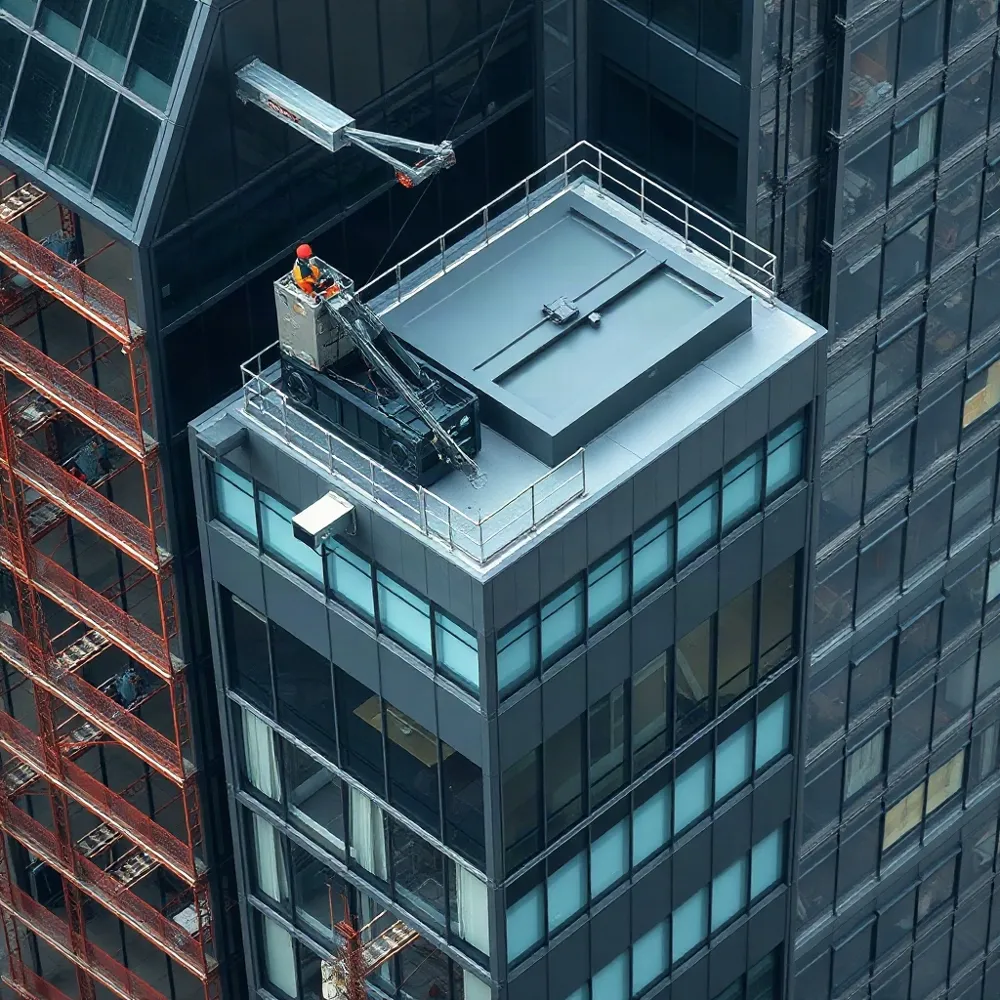
The suitable method depends on the building’s height and geometry, the work location, task duration, ground and roof conditions, and any occupied areas or public interfaces. Temporary access may be required when a permanent system is unavailable, unsuitable or unable to reach the work area. Sea Star Engineering’s project-specific design approach, including purpose-made cradles for window replacement in occupied buildings, illustrates how access requirements can shape the equipment solution.
For UAE owners, facility managers and project teams, the comparison should account for cost, safe access, programme effects and clear coordination among the parties responsible for planning, installation and use. The result is not a universal savings claim: life-cycle value varies by project, and cost estimates should be grounded in the actual scope and expected period of use.
A cost comparison also does not replace engineering judgement or verification of applicable local regulations and safety requirements. Sea Star Engineering designs, installs and maintains permanent building-access equipment across the region, giving project teams an option to assess where a permanent system may better serve recurring maintenance needs.
Define the Access Need Before Comparing Options
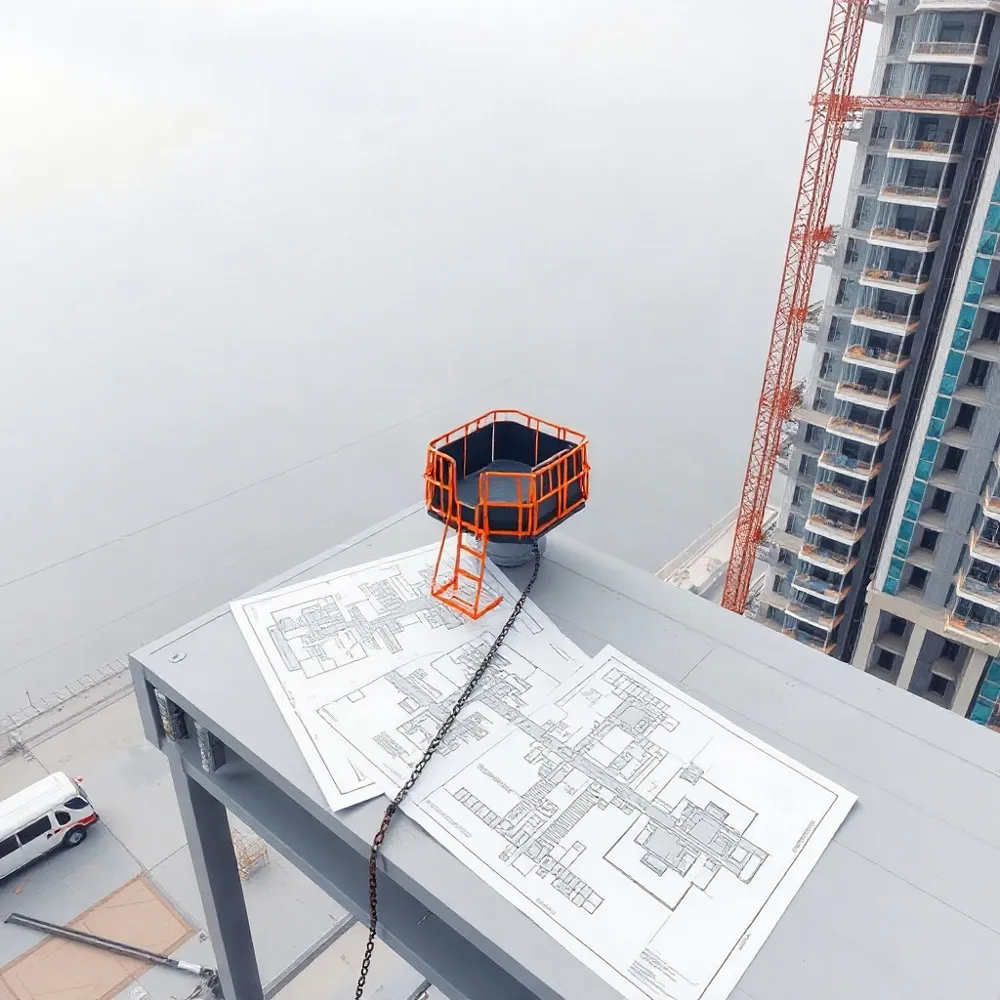
Start with the task, not the equipment. Identify where work will take place, how much of the building must be reached, what tools and materials workers need, the work-at-height risks, and how long and how often access will be required.
Then test those requirements against the site: building height and geometry, roof configuration, existing access equipment, ground conditions, public interfaces, occupied areas and programme constraints. For complex façades, a custom-design approach can account for building form and operational needs when planning permanent or temporary access arrangements.
Possible methods include rope access, mobile elevating work platforms (MEWPs), temporary anchors and lifelines, other fall-protection measures, and suitable existing or temporary cradle arrangements. None is suitable for every task. A MEWP may work well for local repairs when its reach, ground conditions and operating space are adequate. Rope access can reach difficult locations, but depends on specialist labour and may be unsuitable for some work or restricted by applicable rules.
Existing or temporary cradles may provide planned façade coverage where the building and task allow. Purpose-made cradles can be designed for window replacement in occupied buildings, where access planning must account for the work sequence and disruption to residents or operations.
A project-specific access strategy may reduce reliance on extensive scaffolding and help limit disruption while a building remains operational, but only if the chosen method fits the site and work scope. For temporary access planning, building access requirements should be established early and checked against the applicable local safety requirements.
Build a Whole-Life Cost Picture

A useful comparison counts costs across the full period of use, not just the initial hire or purchase price. Life-cycle cost (LCC) is the total cost of an asset or programme over its life, including investment, operation and support, and end-of-life activities, as defined in WARU Acquipedia’s LCC overview. For a temporary access project, adapt those categories to the work being planned rather than applying a generic asset model.
Include planning and engineering, procurement or hire, transport, mobilisation, installation, operation, support, demobilisation and removal. Where equipment may be recovered, reused or disposed of, record the associated handling and transport costs as well. Sea Star Engineering’s project-specific design and installation work can be assessed as part of the access package, alongside equipment supply and maintenance, rather than treated as an isolated purchase.
Separate direct costs, such as supplier charges and labour, from operational effects that may not appear on an invoice. Access arrangements can affect work sequencing, site use or other activities, but any estimate of downtime or disruption should be based on project evidence, such as the programme and site constraints, not assumed savings or losses.
A Work Breakdown Structure (WBS) can help organise estimates by system, activity or service. For example, a project team might separate engineering, delivery, installation, operation and removal, then assign each package to the party responsible for it. PMI describes WBS as a way to structure planning, cost estimating and resource allocation; the breakdown should still match the actual scope and responsibilities of the project.
The relative weight of each cost category varies with the access method, duration, building conditions and project scope. Military-system cost proportions are not suitable benchmarks for building access. Compare alternatives using the same project-specific categories, and document assumptions where figures are estimates.
Compare Alternatives on Consistent Terms
A fair comparison begins by holding the work scope constant. Assess each viable access option against the same façade areas, tasks, duration, required coverage and operating assumptions. Otherwise, a lower hire or supply price may reflect a narrower scope rather than a lower cost for delivering the same work.
Choose a measure that fits the project, such as total project cost or cost per planned work period. Record assumptions about utilisation, mobilisation, access logistics, operators or specialist labour, planned support, repairs and removal. Treat forecast costs as estimates, then distinguish them from actual project records. Life-cycle costing offers a framework for grouping investment, operating support and disposal costs, but project teams must adapt the categories to the equipment and work involved, using life-cycle cost guidance.
Include the practical effect of interruption where project data allows. If a breakdown or access constraint could delay façade work, note the likely programme consequence and the basis for the estimate rather than assigning an unsupported monetary value. A work-breakdown structure can help teams organise cost estimates by system or work package, making assumptions easier to review across procurement, delivery and operations.
Cost should sit alongside task suitability, reach and coverage, compatibility with the building and site, safety planning, and potential disruption to occupants or nearby operations. Custom-design approaches and purpose-made cradles for window replacement in occupied buildings are relevant where access needs must be tailored to the façade and work sequence. Compare those requirements with other feasible arrangements, and verify applicable local safety requirements rather than relying on generic benchmarks.
Use a like-for-like record of assumptions and outcomes to support a defensible decision. The available sources do not establish standard costs or savings for temporary access in the UAE, so avoid applying figures from unrelated equipment, markets or project types.
Coordinate Responsibilities and Handoffs
Temporary access planning may involve the owner, property manager, contractor, access specialist and equipment supplier. The precise parties and duties depend on the project, procurement arrangement and site conditions. For building-access projects, the access equipment provider designs, supplies, installs and maintains permanent access equipment, so teams can define where its scope meets the responsibilities of the owner and other project parties.
Record who defines the access need, confirms building and site constraints, arranges equipment and supporting services, coordinates use, and plans removal. A responsibility schedule can identify the person or organization accountable for each decision, along with required inputs, approvals and timing. This is particularly useful when equipment provision, installation and site operations sit with different parties.
Keep current access drawings, method information, programme constraints and contact details available to the relevant teams. When scope or site conditions change, record the decision, its effect on the access arrangement, and who must act next. Life-cycle cost guidance notes that stakeholders may group and use cost information differently, making clear ownership and structured records useful for project decisions (Life-Cycle Cost).
Where required, the project team should assign responsibility for task-specific work-at-height planning and emergency arrangements, including confirming that relevant personnel have the information they need. These arrangements must reflect the work, equipment and applicable local requirements. Coordination can help expose interface gaps and conflicting assumptions, but it does not by itself guarantee safe work, lower costs or uninterrupted progress.
Review Performance During Use
Equipment arrival is a checkpoint, not the end of the assessment. Site conditions, work scope and building access needs can change, so the arrangement that suited mobilisation may no longer fit later phases. Review it when the programme or work area changes, and confirm that access remains suitable for the task and site conditions.
Select a small set of project-relevant measures before work starts. Depending on the job, records might compare planned and actual access periods, note work interruptions, track utilisation, or capture support and repair costs. These are examples to test against project records, not universal requirements. A life-cycle cost framework can help teams consider operating and support costs alongside investment and end-of-use costs.
Numbers show what happened, but not always why. Pair records with feedback from relevant site and building stakeholders, such as operators, contractors and facility teams. Their observations can help explain interruptions or changing needs and identify whether an adjustment is practical. Sea Star Engineering’s custom-design approach and experience with purpose-made cradles for window replacement in occupied buildings provide context for reviewing access around both task requirements and building operations.
Keep forecasts distinct from results. An initial cost model is an estimate, not a guaranteed outcome; update future assumptions with project-specific records. Document each change to the access approach and its effect on the work plan, cost assumptions and operational needs. For rental or purchase decisions, Sea Star Engineering’s rental-versus-purchase guide offers a related framework for weighing project requirements.
Plan Demobilisation and the Next Use
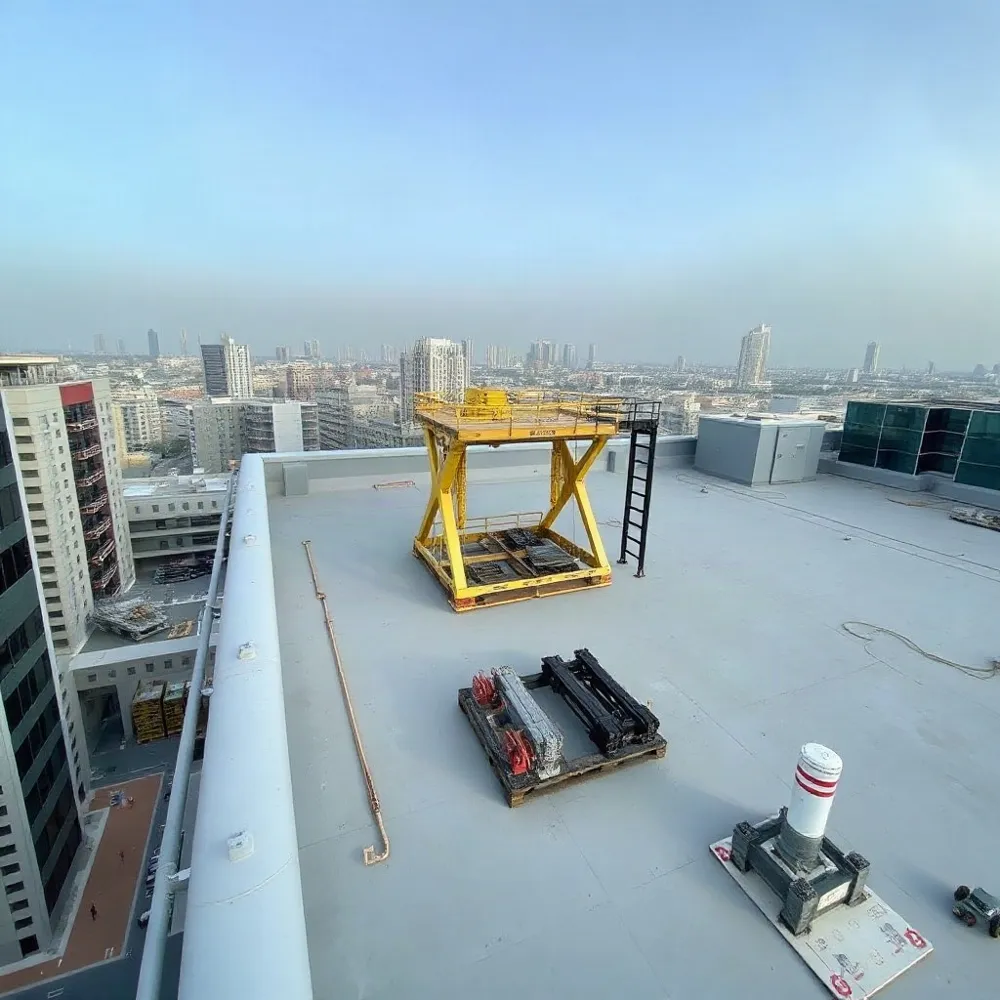
Removal belongs in the original cost assessment, alongside mobilisation and operation. Include expected dismantling, loading, transport, site handling and any required recovery or disposal. A whole-life cost view includes end-of-use costs, not only the price of acquiring or hiring equipment, as explained in this life-cycle cost overview.
Set out who will arrange and pay for each close-out activity, and confirm any site access, storage or return conditions before work starts.
After the work, compare actual cost and duration with the estimate, then record performance, delays, damage and other issues. Note which assumptions held and which should change for the next project. This record helps teams base later estimates on evidence from their own buildings and work.
If equipment may be reused or recovered, check its condition, transport and preparation requirements, and identify a credible next use before assigning it a residual value. Do not assume resale proceeds or savings without project-specific evidence.
The appropriate temporary arrangement depends on the building and project. Its value rests on fit for the required work and delivery through removal, not on an assumed return at close-out.
Make the Decision Project Specific
A sound access decision begins with the task and the building conditions, then compares feasible options across the full period of use. Include mobilisation, operation, support and removal costs, alongside practical effects on the work programme. This whole-life approach follows the principle of life-cycle cost analysis, but the figures and assumptions must reflect the project.
Life-cycle value does not mean temporary access is always preferable to permanent equipment or scaffolding. The suitable choice depends on reach, site constraints, work duration, safety requirements and the disruption each option may cause. Sea Star Engineering’s custom-designed access solutions, including purpose-made cradles for window replacement in occupied buildings, address requirements that may not fit a standard arrangement.
Before work begins, align the owner, facility team, contractor and access specialist on scope, responsibilities and cost assumptions. Verify applicable UAE requirements and document the basis for the decision. After completion, compare actual performance and costs with the estimate so future access plans draw on project evidence rather than generic assumptions.