Finishes as a Performance Decision
An aluminium façade finish is not simply a colour choice. It affects the building’s appearance, resistance to weathering, cleaning needs and the cost of keeping the façade in service. Treating finish selection as part of the façade specification helps align these outcomes with the project’s requirements.
Start by assessing the site exposure, building use and design intent, alongside the aluminium alloy and temper. These factors can influence how a finish looks and performs. A system suited to sheltered areas may not be appropriate for exposed elevations, frequently cleaned surfaces or components that experience regular contact.
Across the UAE and wider Middle East, heat, strong sunlight, humidity, coastal salts and airborne dust can place different demands on façade finishes. Their effects vary with location, orientation, detailing and maintenance conditions, so avoid assuming one coating or treatment suits every project. Compare options against actual exposure and expected service needs before finalising colour or gloss. For Sea Star Engineering, this assessment also informs the selection of aluminium solutions for the building’s operating conditions.
Assess Exposure and Project Requirements
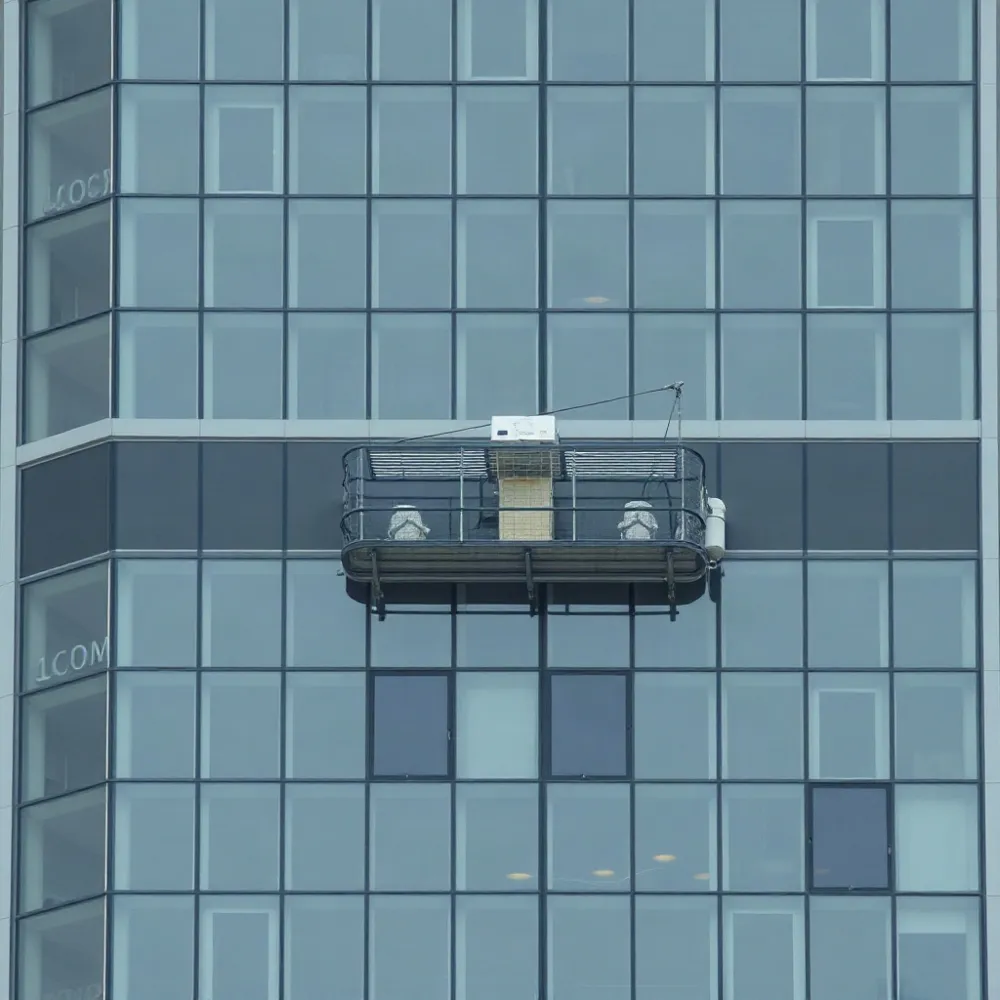
Start by recording whether each aluminium component is indoors or outdoors and what it will face over its service life. For exterior façades, assess UV radiation, temperature changes, moisture, chloride salts, pollutants, cleaning chemicals, abrasion and any locations where water may remain on the surface. Exposure can vary across one building, particularly between sheltered areas and windward or coastal elevations.
Aluminium’s natural oxide film provides a degree of protection, but it is not a substitute for evaluating site conditions. Humidity, coastal salts, sulphurous pollutants and stagnant water can raise corrosion risk, so the finish specification should reflect the actual environment and alloy. WFM Media’s guidance on aluminium surface treatments identifies exposure, alloy and temper among the factors that affect finish selection.
Translate the exposure assessment into project requirements: appearance, expected service life, maintenance access, repair methods, applicable compliance requirements and budget. For high-rise buildings, the cost and disruption of reaching panels for cleaning or repair may influence the choice as much as the coating’s purchase price. The broader façade decision should also account for service life, repairability and total ownership cost, not just initial material cost (façade performance and sustainability considerations).
Priorities differ by component. Handrails, door stiles and other frequently touched parts may need strong abrasion resistance, while large exposed façade panels may place greater weight on weatherability and colour selection. This distinction is practical: finish requirements can be coordinated with the building’s façade and access needs, including the maintenance approach for elevated surfaces.
Compare the Main Finish Systems
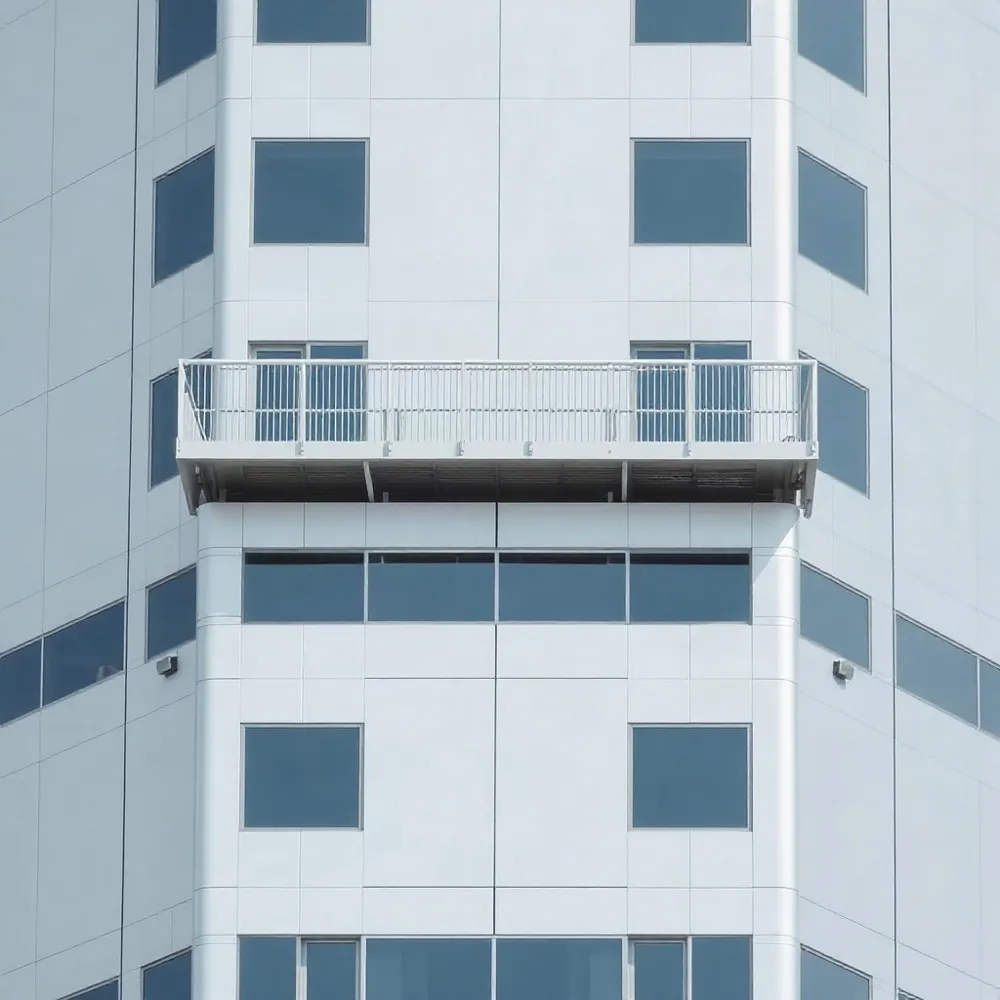
Anodizing, powder coating and PVDF coating are widely used for architectural aluminium. Liquid paint and lamination are also available, but the right choice depends on the component, exposure and required appearance. These are alternatives to assess against the project specification, not a universal ranking of better and worse finishes. Assess aluminium finish options against their performance factors.
Anodizing
Anodizing uses an electrochemical process to thicken aluminium’s natural oxide layer. The resulting finish is integral with the metal, with a hard surface that resists abrasion and a translucent metallic appearance. Its colour and gloss range is more limited than that of applied coatings, and metallic shades can vary with the alloy and production process.
Powder coating
Powder coating applies dry powder electrostatically, then cures it to form a continuous coating. It offers a broad choice of colours, gloss levels and textures, and can resist wear, chipping and scratching when the surface is prepared and the system is properly specified and applied. Recesses and complex profiles need particular attention because electrostatic application may leave some areas less evenly covered.
PVDF coating
PVDF is a fluoropolymer coating system valued for weatherability, UV resistance and chemical resistance, as well as a broad colour range. These properties can suit exposed architectural components such as curtain-wall elements and metal roofing. Selection still needs to account for the specified formulation, application process and the possibility of abrasion or scuffing during installation and service. The façade material selection guidance also stresses matching durability and maintenance needs to the building’s environment.
For projects across the Middle East, assess each finish against actual heat, sunlight, moisture and coastal or industrial exposure rather than relying on a generic product label. A custom-design approach can account for the aluminium component and its intended service conditions when coordinating façade-related works. Confirm the coating system, preparation requirements, colour expectations and application controls in the project specification.
Specify Anodizing with Care
A specification that says only “clear anodized” leaves important performance requirements open. State the required anodic coating class or thickness, then confirm that the chosen level suits the component’s exposure and expected use. Service life depends on both coating thickness and environmental conditions.
Anodizing thickens aluminium’s oxide layer, creating a finish that is integral to the metal. Sealing the coating’s pores is essential for corrosion and stain resistance, so include sealing requirements in the finish specification and verify them with the finisher. Anodizing guidance for aluminium finishes describes sealing as a necessary part of the process.
The finish can suit high-contact components such as handrails or door hardware, where abrasion resistance and a metallic appearance matter. However, visible aluminium beneath the coating can produce shade variation between panels. Request production-representative samples and agree on acceptable variation before approval; consistent orientation and careful batch planning can help limit visual differences.
Anodized surfaces may be affected by acidic pollutants and harsh chemicals. Protect finished components from acidic contamination during construction, and define a regular cleaning and inspection routine that reflects site exposure. For façade projects, finish requirements should be coordinated with the wider building system, rather than treating appearance as a standalone choice.
Match Organic Coatings to Exposure
When choosing between anodizing and organic coatings, assess exposure, appearance and the demands of the finished geometry. For façade packages in the UAE and nearby coastal markets, assess UV, heat, humidity, airborne salts and cleaning access together rather than selecting by colour chart alone.
PVDF is commonly considered for demanding exterior applications where weatherability and colour stability are priorities, including curtain walls and metal roofing. Its formulation and number of coats should be stated in the project specification; some systems use multiple coats, and higher-gloss finishes may require a clear coat. PVDF coating properties should be considered alongside the demands of the project.
Powder coating offers a broad choice of colours, textures and gloss levels, making it suitable across varied architectural applications when the specified system meets the actual exposure and budget. Review a finish sample before approval: powder can show an orange-peel texture, and electrostatic application may leave recessed or enclosed areas with uneven coverage. Complex profiles should be assessed with the coating applicator.
Neither coating type guarantees a fixed service life. Performance depends on resin, pigments, substrate preparation, application and quality control, so verify the proposed product against current project requirements and applicable standards. The façade material selection guidance also supports evaluating durability, repairability and maintenance alongside initial cost.
Plan protection and repair before installation. PVDF can be scuffed or abraded during transport, erection and later maintenance, so specify handling precautions and agree on an approved touch-up method. Sea Star Engineering’s façade and coating work can be coordinated with permanent access planning, helping facility teams consider how inspection, cleaning and local repairs will be carried out after handover.
Treat Pretreatment as Part of the System
A finish can only perform as intended when the aluminium beneath it is properly prepared. Pretreatment is therefore part of the specified coating system, not a separate workshop detail.
Cleaning removes oxidation and contaminants such as oil, grease and dirt. A conversion coating then prepares the reactive aluminium surface and can improve how the finish adheres and protects against corrosion. These steps matter with anodizing, powder coating and PVDF systems alike, as described in guidance on aluminium surface treatment.
If preparation is incomplete or inconsistent, even a suitable finish may bond poorly or leave the substrate more vulnerable to corrosion. This concern is especially relevant in coastal settings, where chloride salts can reach aluminium through scratches or exposed cut edges. Specify pretreatment and coating protection to suit the project exposure, rather than relying on the finish name alone.
Before production, confirm with the supplier or applicator that the proposed system matches the specification. Check how the aluminium will be cleaned and treated, how application consistency will be controlled, and how the finished appearance will be reviewed. Retain approved samples where colour and texture consistency across façade elements is important.
Geometry also affects coverage. Electrostatic powder may not reach recessed or enclosed areas evenly, so confirm how complex profiles will be coated and inspected. Component geometry should be reviewed with the coating specialist to ensure coating coverage, and finish requirements should be agreed before fabrication.
Control Colour and Appearance
Colour, gloss and texture should support the building’s architectural design and setting, but appearance choices must also meet exposure and durability requirements. Façade finishes face UV, moisture and temperature changes, so assess visual intent alongside expected weathering and cleaning needs.
Confirm the aluminium alloy and temper before approving a finish. Different alloys can produce different appearances under the same coating process, making representative samples more useful than colour references alone. The finish supplier should prepare samples using the project’s actual substrate and proposed process (aluminium finish factors).
For painted finishes, processing project aluminium components together in the same production run can help limit colour differences. Metallic coatings and anodized finishes may still vary with panel direction, substrate and production conditions, so establish an acceptable range rather than assuming every piece will match exactly.
Depending on the coating system and supplier capability, design options may include textured or metallic effects, wood-grain imitation and other decorative treatments.
Before production, approve physical samples and document the accepted colour range, gloss, texture, viewing conditions and inspection method. Agree how finished panels will be checked on site, including panel orientation and batch identification, so installation decisions do not introduce avoidable visual inconsistency.
Plan Maintenance and Lifecycle Cost
A finish with a lower purchase price may cost more to maintain once installation, cleaning, inspection, repair, replacement, and access are included. Compare these items over the expected service life, alongside the finish’s resistance to staining and fading and how readily it can be cleaned. Lifecycle cost and façade maintenance considerations can help frame that comparison.
On exposed façades, cleaning frequency depends on local conditions such as airborne dust, moisture, and coastal salts, as well as the coating manufacturer’s instructions. Set a site-specific maintenance plan rather than treating a generic cleaning interval as universal. For high-rise buildings, permanent building access equipment, including BMUs and roof-mounted cradles, can provide planned access for inspection, cleaning, and repairs without relying on temporary scaffolding.
Durability has operational value when façade work requires specialist access. A finish that retains its appearance and is easier to clean may reduce interventions, limiting disruption to occupants and the cost of arranging access. Assess this alongside the expected service life and the practical availability of replacement panels or parts, as well as the labour and access needed for repairs.
Before approving a repair strategy, confirm whether local touch-ups are suitable for the specified finish. Field-applied material may not match the factory coating exactly and can weather at a different rate, so larger repairs may require replacement components or a planned refinishing approach. Custom-designed access systems can be specified around the building’s geometry and maintenance tasks, supporting access planning for repair as well as routine care.
Close with a Project Specification
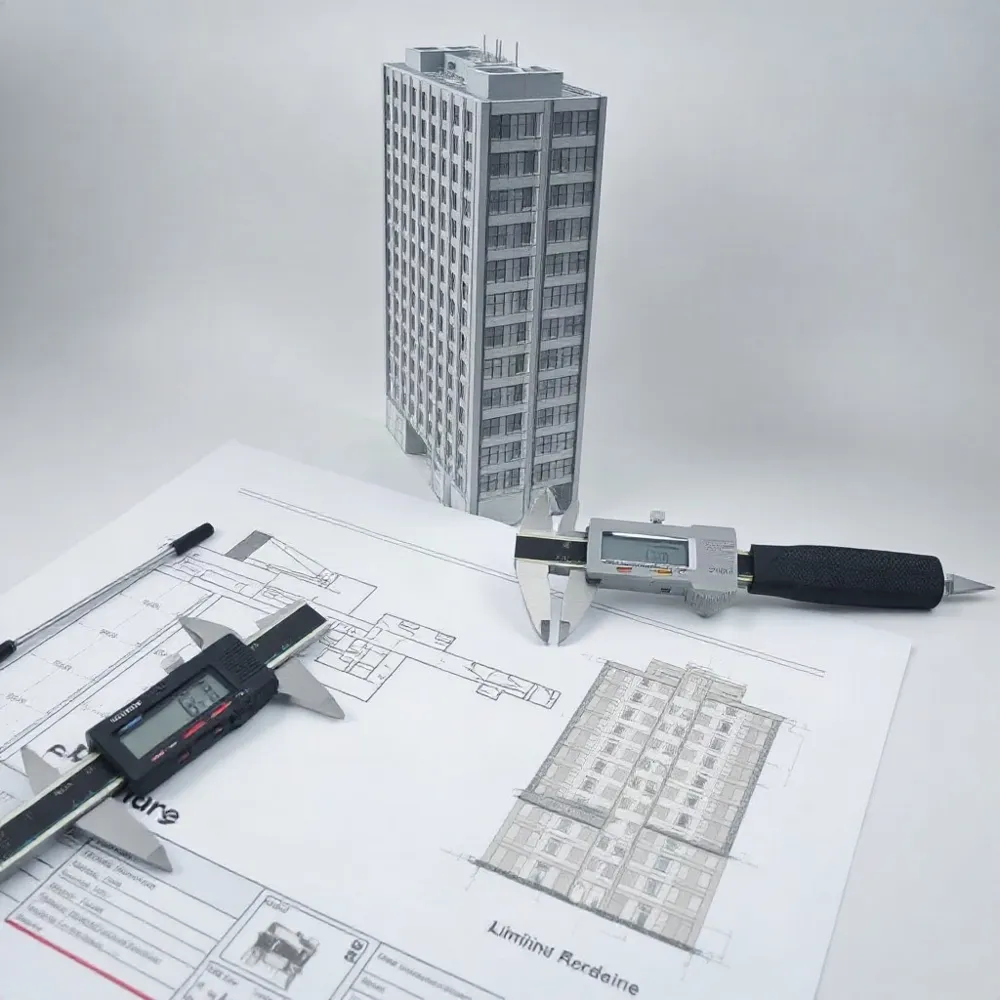
Turn the finish decision into a project-specific specification, not a product name alone. Record the aluminium alloy and temper, exposure conditions, selected finish system, colour and gloss tolerances, performance criteria, inspection points, and maintenance expectations. Account for local conditions such as coastal salts, intense sun, humidity, and cleaning access. Façade material selection guidance also recommends considering repairability, service life, and total ownership cost.
Require the façade supplier and coating applicator to confirm that the proposed finish suits the substrate and complete façade assembly, and complies with applicable local building requirements. Check that cited standards and test methods are current; a historical reference should not substitute for a project-specific performance requirement. Finish options and their suitability depend on the alloy, exposure, and required appearance, as outlined in PVDF coating guidance.
Coordinate the design team, supplier, applicator, installer, and facilities team on samples, handling and installation protection, access for inspection, and future repairs.
Specify the finish that meets the building’s exposure and operational needs over its intended service life, rather than choosing only for initial appearance or the lowest upfront cost.
Specify for the Building’s Service Life
A high-performance aluminium façade finish depends on matching exposure, appearance, substrate preparation, application quality and maintenance planning. No coating name alone can confirm suitability for a project.
Before approval, document site conditions, including coastal salts, UV exposure, moisture and cleaning access. Verify the complete system with the coating supplier, covering pretreatment, application, quality checks and repair procedures. Sea Star Engineering’s custom approach to aluminium and façade solutions can help align finish choices with project geometry and access needs.
Assess expected maintenance, repairability and replacement alongside initial cost. This gives construction and facilities teams a documented basis for selecting a finish that supports the building’s service requirements over time.