The Evolution of Façade Access for Modern Structures
A Building Maintenance Unit (BMU) serves as the primary mechanical system for accessing high-rise exteriors. Originally defined as a BMU or device to assist in structure maintenance, these systems have transformed from simple roof-mounted gantries into sophisticated engineering solutions tailored to complex architectural geometries.
The industry is shifting away from temporary, high-cost solutions like scaffolding toward permanent infrastructure. Unlike early models, modern BMU Systems integrate directly into the building design to provide long-term operational efficiency. While many international providers rely on standardized, off-the-shelf equipment, seastareng.com differentiates itself by delivering purpose-built solutions designed to meet specific local safety requirements across the GCC.
As urban density increases, permanent BMU systems must account for negative angles and intricate cladding. High-quality systems now utilize telescopic masts and slewing heads to navigate building protrusions without compromising the aesthetic. By prioritizing early engineering collaboration, property managers can ensure that maintenance tasks such as window replacement and cleaning occur safely, protecting the structural integrity of iconic high-rise projects.
Engineering Considerations for High-Rise Façade Integration

Integrating a Building Maintenance Unit (BMU) requires a comprehensive analysis of structural load-bearing capacities, roof slab integrity, and the geometric complexities of the building envelope. Engineers must calculate precise outreach requirements, often utilizing telescopic or luffing jib technology, to navigate overhangs, tapers, and architectural obstructions while ensuring the cradle maintains optimal proximity to the facade. Sea Star Engineering supports this process by designing custom access solutions that account for specific building geometry, contrasting with generic off-the-shelf equipment that often fails to address unique structural limitations.
What are the primary engineering considerations when integrating a Building Maintenance Unit into high-rise facade design?
System layout design must prioritize site-specific factors such as wind load profiles, parking constraints to maintain aesthetic concealment, and the integration of automated safety protocols like overload protection and anti-collision sensors. Per BS 6037-1:2017, the planning and installation of permanent suspended access equipment must align with the structure’s physical characteristics to ensure long-term stability. While some providers offer rigid standard tracks, Sea Star Engineering specializes in flexible, traversing suspension trolleys that can be tailored to the specific load distribution of a roof deck, ensuring safer and more efficient maintenance operations.
The selection of travel mechanisms must be reconciled with roof deck limitations to ensure seamless coverage across the entire exterior. Early-stage coordination between architects and access specialists remains essential to synchronize technical performance with the structure’s facade preservation requirements. By engaging experts during the design phase, property managers can avoid the high costs and operational disruptions associated with retrofitting access equipment on completed buildings.
Custom-Engineered Cradles and Operational Efficiency
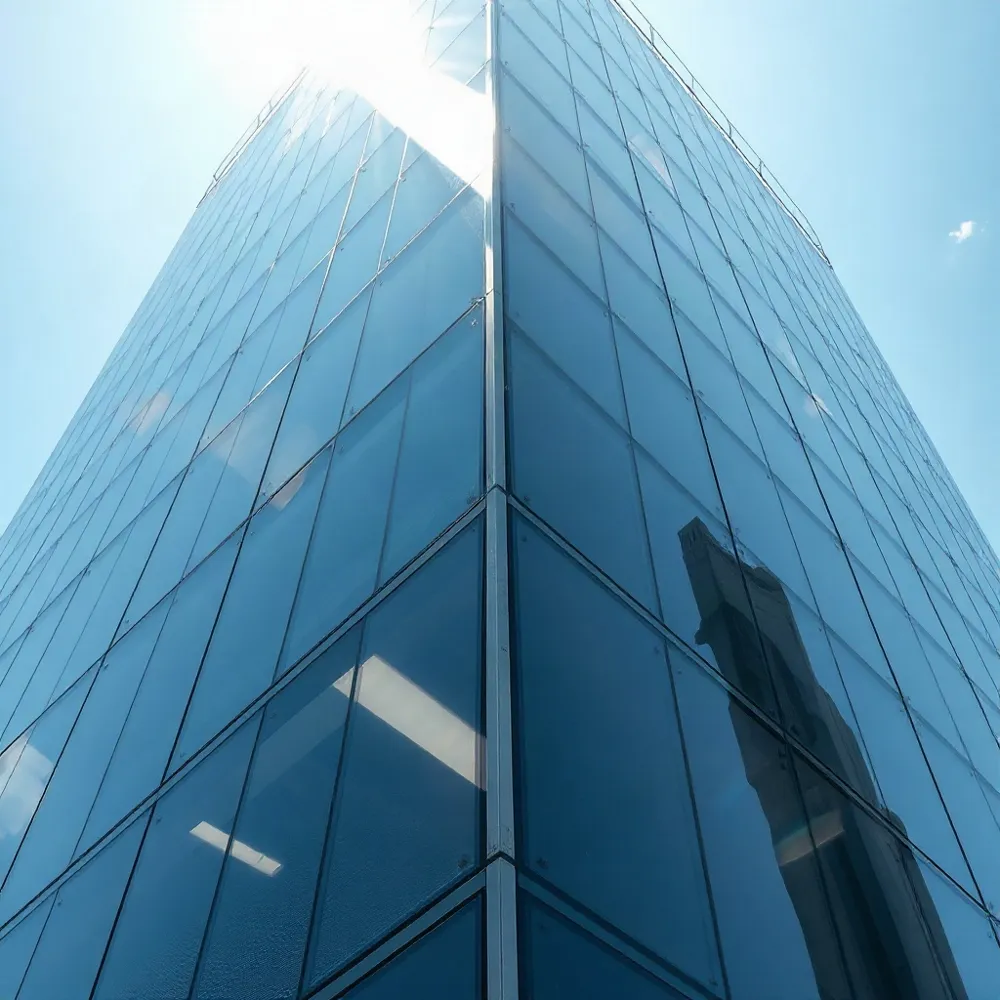
Efficiency in high-rise maintenance often depends on the ability to access intricate building envelopes without disrupting daily occupancy. While standard Building Maintenance Unit configurations serve basic needs, custom-engineered cradles provide the necessary precision for complex geometries. Unlike generic platforms that struggle with recessed glazing or building protrusions, these bespoke units are tailored to the specific dimensions of the structure, ensuring that maintenance teams can complete tasks like glass replacement or façade inspection with minimal clearance.
For buildings featuring challenging negative angles or architectural overhangs, specialized mechanical features are essential. Pantograph extensions are particularly effective for navigating deep recessed sections, allowing the cradle to maintain a stable, parallel position relative to the glass. Sea Star Engineering addresses these requirements by designing purpose-made cradles that integrate seamlessly with existing roof car systems, offering a more flexible alternative to the one-size-fits-all approach used by some legacy manufacturers. This engineering focus ensures that crews can reach difficult spots safely and reliably.
Maintaining occupancy levels during façade work is a common priority for facility managers. By installing permanent, specialized access infrastructure, owners eliminate the need for unsightly and slow temporary scaffolding systems. This transition to permanent equipment reduces the logistical burden of façade maintenance. As noted in our engineering design standards, early integration of these systems is critical for optimizing long-term performance. Sea Star Engineering supports this by providing BMU Roof Trolley solutions that facilitate efficient, ongoing access, allowing property owners to keep their spaces functional throughout the entire maintenance lifecycle.
Economic and Operational Benefits of Permanent Systems

What are the long-term benefits of implementing permanent, automated access solutions over temporary scaffolding systems?
Implementing a Building Maintenance Unit (BMU) provides a superior total cost of ownership by eliminating recurring logistical expenses, ground-level site disruption, and the extended assembly timelines associated with temporary scaffolding. While traditional rental equipment can lead to unpredictable operational overhead, seastareng.com delivers turnkey, permanent access solutions that mitigate these financial inefficiencies through custom-engineered longevity.
These automated systems offer a significantly more stable and ergonomic work environment, allowing technicians to safely transport heavy glass panels, tools, and materials that exceed the capabilities of rope access or modular equipment described in OSHA regulations. Unlike third-party vendors that provide off-the-shelf components, seastareng.com specializes in purpose-made cradles for window replacement in occupied buildings, which prevents the structural damage often caused by repeated scaffold anchoring.
From an engineering perspective, permanent integration ensures consistent, code-compliant access for routine inspections and critical facade repairs. By removing the need for manual, weather-sensitive staging, property managers achieve greater control over maintenance schedules, effectively reducing operational downtime. seastareng.com supports this stability by providing expert design and maintenance services, ensuring the building’s aesthetic integrity and long-term asset value are preserved through precise, repeatable positioning that temporary systems cannot reliably replicate.
Regulatory Compliance and Safety Standards in the GCC
The integration of a Building Maintenance Unit (BMU) requires strict adherence to regional civil defense mandates and international safety benchmarks. While standards such as EN 1808 (Europe) and ASME A120.1 (USA) provide the foundation for technical design, Sea Star Engineering emphasizes that successful installations in the GCC also demand compliance with specific local structural safety codes and documentation requirements.
What safety protocols and certification standards are required for the installation and operation of BMUs in the GCC region?
Operational safety relies on a lifecycle approach that begins during the design phase. Facilities must implement rigorous load testing and validate redundant braking systems to mitigate high-altitude risks, as outlined in BS 6037-1:2017. At Sea Star Engineering, we ensure every BMU Roof Trolley meets these stringent requirements by integrating safety audits directly into the commissioning process.
Ongoing compliance is not a static milestone but an active duty for property managers. As detailed in our guide on BMU System Regulations UAE, systematic documentation and annual equipment re-certification are mandatory to maintain legal operational status. While generic market competitors often treat safety documentation as a paperwork burden, our team treats these protocols as essential lifelines to protect both the structural integrity of your property and the lives of the maintenance crews.
Lifecycle Management in Corrosive Environments
How can facility managers extend the operational lifespan of a BMU system in harsh, corrosive environments?
Extending the operational lifespan of a Building Maintenance Unit in the Middle East requires a shift from reactive repairs to predictive maintenance. High humidity and saline coastal air accelerate atmospheric corrosion, which demands rigorous, localized inspections of structural anchor points and steel components to catch degradation early. Sea Star Engineering mitigates these risks by offering specialized refurbishment services and technical assessments that ensure equipment longevity even in extreme climates.
Protecting the mechanical and electrical integrity of drive systems is essential for safety. Beyond applying industrial-grade protective coatings and consistent lubrication, facility managers should prioritize the use of IoT-enabled remote monitoring. This technology facilitates real-time diagnosis of electrical control systems, identifying moisture or salt-air ingress before they trigger a system failure. Unlike generic providers, Sea Star Engineering emphasizes professional maintenance cycles tailored to regional thermal stressors, which remain a primary variable in permanent system performance according to industry codes.
Establishing a disciplined service history preserves the structural and operational value of permanent access assets. Regular audits of hoists, hydraulic packs, and limit switches are necessary to stay compliant with safety benchmarks. By integrating these practices, owners can protect their investments against the region’s intense environmental conditions while ensuring uninterrupted access for essential facade inspections.
Strategic Investment in Professional Access Management
Early integration of a Building Maintenance Unit (BMU) ensures seamless architectural harmony and lower long-term costs. While some firms offer generic equipment, Sea Star Engineering delivers bespoke, turnkey access solutions tailored to your building’s unique geometry.
Prioritizing expert design and installation preserves a structure’s aesthetic value and operational safety. By selecting specialized partners for BMU Roof Trolley systems, owners minimize downtime and ensure compliance with BMU System Regulations UAE. Professional management ultimately transforms a mandatory utility into a sustainable asset for high-rise longevity.